🥒 Buy DOSAKAI Indian Cucumber Seeds for a traditional Indian yellow cucumber with round golden fruits, tender pale flesh and a distinctive sweet-tangy flavour, perfect for curries, chutneys and pickles.
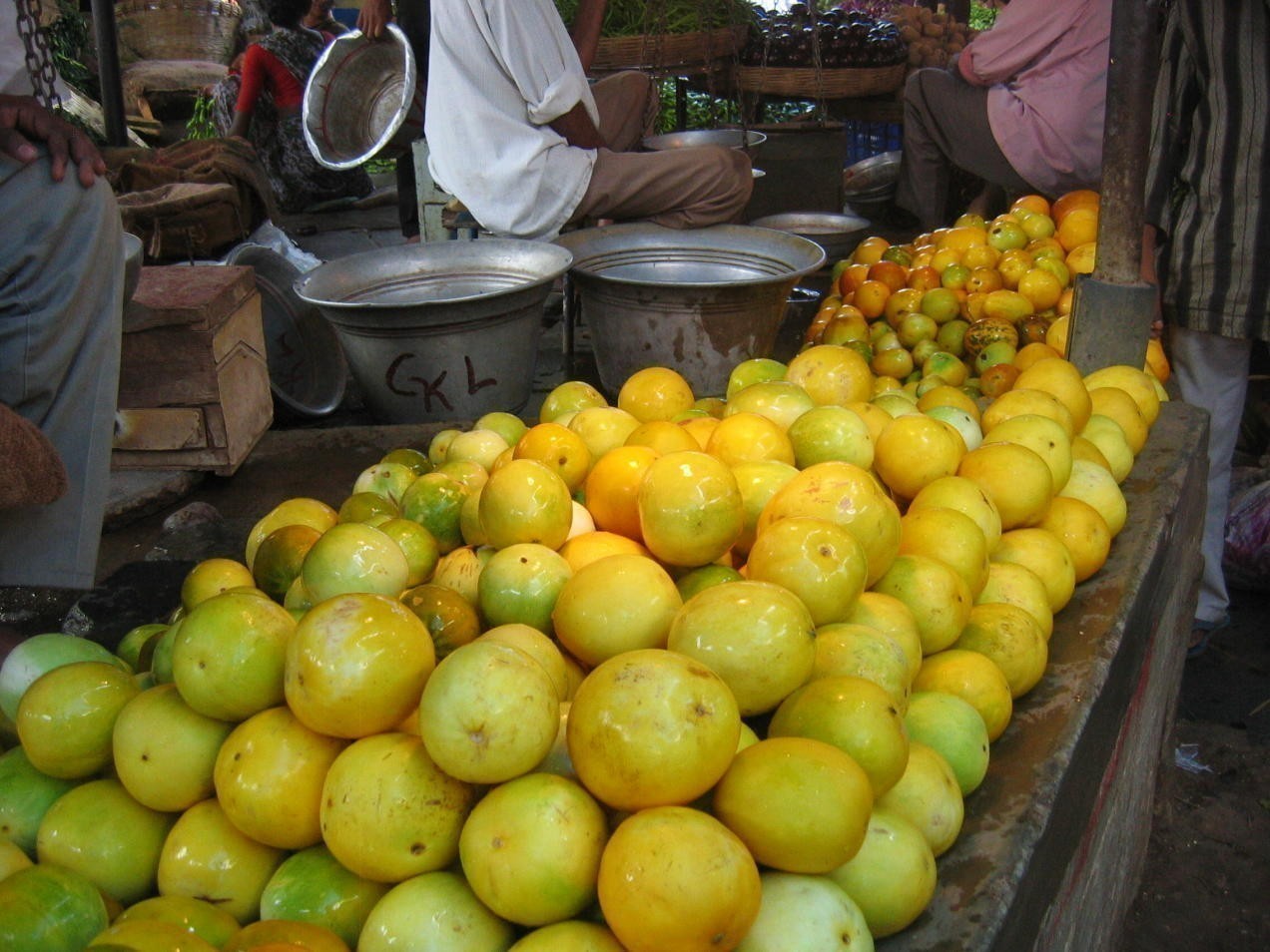
Discover a distinctive traditional Indian vegetable with DOSAKAI Indian Cucumber Seeds. Dosakai is a small, round to slightly oval cucumber known for its attractive yellow skin, green patches and intermittent stripes that create the appearance of separate sections. As the fruits mature, the skin gradually becomes a deeper golden yellow while the green markings become smaller, giving the vegetable a beautiful appearance that is quite different from ordinary green cucumbers.
Dosakai is especially valued for its unique flavour and versatility in the kitchen. The flesh is pale yellow to almost white, juicy and tender, with small, yellowish edible seeds. Its taste is pleasantly sweet and tangy, with a mild aromatic character that makes it particularly suitable for cooking. Unlike many other cucurbit vegetables that can develop bitterness, Dosakai is traditionally appreciated for its distinctive, generally mild flavour.
Native to India and especially popular in Andhra Pradesh in southeastern India, Dosakai has an important place in regional home cooking. It is used in traditional lentil dishes, soups, curries, chutneys and pickles. For gardeners interested in growing unusual vegetables or exploring authentic South Indian cuisine, this traditional yellow cucumber is an excellent addition to the vegetable garden.
🌱 Plant Characteristics
Product name: DOSAKAI Indian Cucumber Seeds
Botanical name: Cucumis sativus, as identified in the supplied variety information
Common names: Dosakai, Dosakaya, Indian Yellow Cucumber and Yellow Curry Cucumber
Plant family: Cucurbitaceae
Origin: India, particularly associated with Andhra Pradesh
Plant type: Warm-season annual vegetable
Fruit shape: Small, round to oval
Fruit colour: Yellow with green patches and intermittent stripes when developing, becoming more uniformly golden yellow as it matures
Flesh colour: Pale yellow to white
Seeds: Small, yellowish and edible in suitable mature fruits
Flavour: Sweet, aromatic and pleasantly tangy
Culinary uses: Curries, sambar, dal, chutneys, fresh dishes and pickles
Growing conditions: Warm, sunny weather and fertile, consistently moist soil
Winter hardiness: Frost-sensitive; unsuitable for unprotected outdoor cultivation in freezing weather
❄️ Winter Hardiness and Resistance to Minus Temperatures
DOSAKAI is a warm-season cucumber and is not winter-hardy. Like other cultivated cucumbers, it requires warmth for germination, vigorous growth, flowering and fruit development. It cannot be relied upon to survive frost or freezing outdoor temperatures.
Cold soil can delay germination and cause seedlings to develop slowly. Established plants also suffer when exposed to prolonged cold. Temperatures below approximately 10°C (50°F) can cause chilling stress, while temperatures close to 0°C (32°F) can seriously damage the foliage and stems. Frost can kill exposed plants. These are general guidelines for cucumber cultivation rather than experimentally established temperature limits for this particular variety.
There is no verified minimum sub-zero survival temperature for Dosakai, and it should not be considered frost-resistant. Do not sow outdoors too early in spring, and do not expect the plants to survive a Serbian winter in an unprotected garden.
For successful cultivation, sow the seeds when the soil has warmed sufficiently, ideally to at least approximately 18°C (64°F). Grow the plants outdoors during the frost-free season. If using a greenhouse or cold frame, ensure that temperatures remain suitable during cold nights. Protection can extend the growing season, but an unheated structure may not prevent damage during a hard frost.
Once autumn temperatures fall substantially, harvest the remaining usable fruits before cold weather damages the plants. Dosakai is best grown as a seasonal summer vegetable rather than overwintered outdoors.
💛 Distinctive Yellow Fruits with Green Markings
The appearance of Dosakai is one of its most attractive features. The fruits begin with a yellow-green appearance, often displaying darker green patches and intermittent stripes. As they mature, the skin becomes a deeper yellow and the green markings become less prominent.
The fruits are generally small and round to oval, making them convenient to handle and prepare in the kitchen. Their pale yellow to white flesh provides a colourful contrast to the outer skin. The small seeds are edible, and the texture can be pleasantly crisp when the fruits are harvested at a suitable stage.
Unlike ordinary long green slicing cucumbers, Dosakai is particularly valued as a cooking cucumber. Its flavour is commonly described as sweet and tangy, making it a natural ingredient in dishes that combine vegetables, lentils, spices and pickling ingredients.
🇮🇳 Traditional Indian Vegetable with Regional Heritage
Dosakai is particularly popular in Andhra Pradesh, a state in southeastern India where yellow cucumber has a long-standing place in everyday cooking. It is grown in home gardens and used in a range of traditional dishes, from simple curries to spicy pickles.
The name Dosakaya is widely used in Telugu-speaking communities. Depending on the region and language, related yellow cucumber vegetables may also be known by other local names. This reflects the importance of cucumbers and similar vegetables in the diverse culinary traditions of southern India.
For gardeners who enjoy growing unusual edible plants, Dosakai offers more than an interesting fruit colour. It provides an opportunity to cultivate a vegetable associated with traditional Indian recipes and to explore flavours that differ from those of common green cucumbers.
🍲 Culinary Uses of Dosakai
Dosakai is exceptionally versatile in the kitchen. It can be eaten raw when suitable and tender, but it is especially valued for cooked dishes and pickles. Its mild, tangy flavour works well with lentils, mustard seeds, curry leaves, turmeric, chilli, cumin, garlic and other traditional seasonings.
Dosakaya Pappu: A traditional Andhra-style lentil dish in which yellow cucumber is cooked with dal, tomatoes, onions, chillies and seasonings.
Sambar: Add diced Dosakai to a South Indian lentil and vegetable soup for a distinctive flavour and tender texture.
Dosakaya Pachadi: Prepare a traditional chutney combining yellow cucumber with chillies, spices and other suitable ingredients.
Dosavakaya or Dosa Avakai: Use the cucumber to make a traditional Andhra-style pickle with spices, mustard and oil. Follow a suitable recipe and storage instructions.
Curries: Cook the fruits with onions, tomatoes, curry leaves and spices for a simple vegetable curry.
Stews and soups: Add diced cucumber to vegetable stews, lentil soups and other warm dishes.
Stir-frying: Cook the flesh with spices and other vegetables for a quick side dish.
Fresh salads: Slice suitable young fruits and combine them with onions, tomatoes, herbs or a light dressing.
Relishes: Combine chopped Dosakai with chilli, mustard and other flavourings for a tangy accompaniment.
One of the best-known preparations is Dosavakaya, a spicy yellow cucumber pickle associated with Andhra Pradesh. It is often prepared with mustard powder, red chilli powder, salt and oil. Unlike some traditional mango pickles that require a longer preparation period, this style of cucumber pickle can be ready relatively quickly when made according to an appropriate recipe.
Dosakai is particularly useful for gardeners who enjoy preserving their harvest. Its distinctive flavour makes it suitable for dishes in which ordinary green cucumber would not provide quite the same character.
☀️ Growing Conditions
Dosakai grows best in warm weather, with plenty of sunlight and fertile soil that retains moisture without becoming waterlogged. As a warm-season cucurbit, it needs a sufficiently long frost-free growing period to develop healthy vines and produce mature fruits.
Sunlight: Choose a sunny location receiving approximately 6–8 hours of direct sunlight daily.
Temperature: Warm conditions support germination, vigorous growth and fruit production.
Soil: Use loose, fertile, humus-rich soil with good drainage.
Soil pH: Slightly acidic to neutral soil, approximately pH 6.0–6.8, is generally suitable.
Watering: Maintain consistent soil moisture, especially during flowering and fruit development.
Drainage: Avoid standing water, which can damage the roots and encourage disease.
Feeding: Incorporate mature compost before planting and use a suitable vegetable fertiliser according to the product instructions.
Shelter: A warm, sheltered location helps protect the foliage from strong winds.
Growing season: Plant during the frost-free period when soil and air temperatures are suitable.
Dosakai is associated with warm growing conditions and is well suited to summer cultivation. In climates with relatively short summers, starting seeds indoors can give the plants a useful head start. However, do not transplant seedlings into cold soil, as chilling can slow their establishment.
🌰 Seed Preparation
Dosakai cucumber seeds generally do not require complicated pretreatment. Use clean pots or seed trays and a fine, well-draining seed-starting compost. Fresh, viable seeds combined with warmth and consistent moisture provide the basis for successful germination.
Soaking seeds in lukewarm water for approximately 4–8 hours before sowing is optional. It may help the seeds absorb moisture, but it is not essential. Avoid hot water or prolonged soaking, which can damage the seeds or encourage deterioration.
Moisten the growing medium before sowing so that it is evenly damp rather than saturated. Sow the seeds individually in small pots if you plan to start them indoors. This makes transplanting easier and reduces disturbance to the young roots.
🪴 Soil and Planting Depth
For an earlier harvest, start Dosakai seeds indoors approximately 2–4 weeks before the expected outdoor planting date. Alternatively, sow directly into the garden once the soil is warm and the danger of frost has passed.
Sowing depth: Approximately 2–3 cm.
Germination temperature: Approximately 24–30°C (75–86°F) is favourable for rapid germination.
Expected germination time: Often around 5–10 days under suitable conditions, although cooler soil can delay emergence.
Growing medium: Loose, fertile and well-draining seed compost or garden soil.
Moisture: Keep the soil consistently moist without waterlogging.
Indoor sowing: Sow one or two seeds per pot and retain the strongest seedling if both germinate.
Outdoor sowing: Sow directly in the final growing position after the soil has warmed.
Cover the seeds with loose compost or soil and water gently. Maintain warmth and avoid allowing the growing medium to dry out completely during germination. Once seedlings emerge, provide strong light and good airflow to encourage sturdy growth.
When transplanting indoor-grown seedlings, handle the root ball carefully and avoid disturbing the roots unnecessarily. Harden off the plants gradually before moving them outdoors. Plant only when frost danger has passed and the weather is consistently warm.
🌿 Plant Spacing and Support
Dosakai belongs to a group of cucurbit vegetables that can develop spreading or climbing growth, depending on the particular strain and growing conditions. Allow adequate room for the foliage and developing fruits. As a practical starting point, leave approximately 60–100 cm between plants when growing them along the ground, adjusting the spacing to suit the vigour of the plants and the available space.
A trellis or other sturdy support can be used if the plants show a climbing growth habit. Vertical growing can improve airflow and make the fruits easier to find and harvest. If allowing the plants to spread along the ground, keep the growing area free of weeds and avoid damaging the stems when working around the vines.
Mulch around established plants to help retain moisture and suppress weeds, but keep mulch away from direct contact with the main stem. Check the plants regularly for signs of stress, damaged leaves or developing fruit problems.
🐝 Flowering and Pollination
Dosakai produces separate male and female flowers, as is typical of many cucurbit vegetables. Insects, particularly bees, can transfer pollen between flowers and help ensure successful fruit development.
Encourage pollinators by avoiding unnecessary insecticide use during flowering and maintaining a suitable garden environment. If the plants produce flowers but few fruits develop, possible causes include poor pollination, temperature stress, irregular watering or other unfavourable growing conditions.
🧺 Harvesting and Storage
Harvest Dosakai when the fruits have reached a useful size and the skin has developed the characteristic yellow colour. The preferred harvest stage depends on the intended use. Younger fruits may have a firmer texture, while more mature fruits generally develop a deeper yellow skin and a more prominent seed cavity.
Cut the fruits from the plant with a clean knife or secateurs rather than pulling them off, which can damage the vines. Inspect the plants frequently during the growing season because warm conditions can encourage rapid development.
Handle harvested fruits carefully and remove any damaged specimens from the storage area. Fresh Dosakai can be kept in the refrigerator for a limited period; storage life depends on maturity, fruit condition and temperature. Pickled Dosakai can be stored according to the preparation method used, but shelf-stable preservation requires a tested recipe and appropriate food-safety procedures.
🌿 Why Grow DOSAKAI Indian Cucumber?
Dosakai is an excellent choice for gardeners looking for a distinctive vegetable that offers something different from ordinary green cucumbers. Its round yellow fruits, contrasting green markings and pale flesh give it an unusual appearance, while its sweet-tangy flavour makes it useful in a wide variety of dishes.
The variety is particularly appealing to anyone interested in Indian cuisine. Growing Dosakai at home provides fresh ingredients for traditional dal, sambar, curries, chutneys and pickles. Its culinary versatility makes it useful even when the harvest is plentiful, because the fruits can be prepared in many different ways.
With warm temperatures, fertile soil, regular watering and protection from frost, Dosakai can become a rewarding summer crop. It is a valuable addition to a vegetable garden for growers who appreciate traditional regional vegetables and enjoy exploring different flavours.
⚠️ Important Growing Notes
Dosakai is a warm-season vegetable and is sensitive to frost.
Do not sow outdoors until the soil has warmed and frost danger has passed.
Maintain consistent moisture, particularly during flowering and fruit development.
Avoid waterlogged soil and provide adequate drainage.
Allow enough space for the plants to spread or provide suitable support where appropriate.
Harvest fruits regularly at the desired stage of maturity.
Individual fruit size, colour and flavour can vary with growing conditions.
If a cucumber tastes distinctly and unusually bitter, do not eat it; discard the fruit.
📦 Product Details
Product: DOSAKAI Indian Cucumber Seeds
Botanical name: Cucumis sativus, according to the supplied product identification
Vegetable type: Indian yellow cucumber
Fruit shape: Round to oval
Fruit colour: Yellow with green markings, becoming more golden as it matures
Flesh colour: Pale yellow to white
Flavour: Sweet, mild and tangy
Origin: India, especially Andhra Pradesh
Growing season: Warm, frost-free months
Recommended growing method: Direct sowing or indoor starting followed by transplanting in warm conditions
Cold tolerance: Frost-sensitive; not suitable for unprotected winter growing
DOSAKAI Indian Cucumber Seeds, Dosakai seeds, Dosakaya yellow cucumber, Indian yellow cucumber seeds, round yellow cucumber, yellow curry cucumber, Cucumis sativus seeds, traditional Indian vegetable seeds, Dosakaya pappu ingredient, Dosakai sambar cucumber, Dosakaya pachadi, Dosavakaya pickle, Indian cucumber for curries, yellow cucumber for pickling, growing Dosakai from seed, Indian vegetable garden seeds, warm-season cucumber variety, frost-sensitive cucumber plants.
Are you sure that you want to report this comment?
Report sent
Your report has been submitted and will be considered by a moderator.
Your report cannot be sent
Review sent
Your comment has been submitted and will be available once approved by a moderator.
Your review cannot be sent
🌍 Worldwide Shipping from the EU
We ship worldwide from the European Union using registered air mail with signature confirmation upon delivery.
📦 Tracking Your Order Log in to your account and navigate to Order History > Details to find your tracking number.
You will receive email notifications for each stage of your order. If you don’t see these messages, please check your Spam/Junk folder or contact your email provider. Alternatively, search online for how to unblock sender emails.
OUR EMAIL SERVICE IS WORKING
You will receive email notifications for each stage of your order. If you don’t see these messages, please check your Spam/Junk folder or contact your email provider.
📧 How to Ensure Emails from Our Online Shop Always Land in Your Gmail or any other email provider'sInbox and Aren't Marked as Spam or Blocked:
Add the Sender to your Google or any other email provider's contacts. We can't help you if your settings are not like this. Contact your email provider for help.
Step 1: Open Gmail and find an email from us xxxxxxxxxxxx@xxx.com Do not try to send us an email directly to this address; we will not receive it. Every contact is exclusively through the contact form in our online shop! If you can’t find our email, it might have been blocked. In that case, proceed with Step 4 below.
Step 2: Hover over the sender’s name or email address at the top of the email.
Step 3: Click the "Add to Contacts" icon (the little person icon).
This will help Gmail recognize us as a trusted sender, ensuring our emails go straight to your inbox and not to spam.
Create a Filter to Prevent Emails from Being Marked as Spam or Blocked
Step 1: Open Gmail and click on the gear icon in the top-right corner, then select "See all settings".
Step 2: Go to the "Filters and Blocked Addresses" tab.
Step 3: Click "Create a new filter".
Step 4: In the "From" field, enter the email address you want to whitelist (e.g., our shop’s email).
Step 5: Click "Create filter".
Step 6: In the next window, check the box labeled "Never send it to Spam".
Step 7: Click "Create filter" to save.
This will ensure our emails always land in your inbox and won’t get marked as spam or blocked by mistake.
Track your package via:
Aftership
17Track
Posta.hr (for tracking numbers like RGxxxxxxHR)
⚠️ Important Notices
Cash on delivery is NOT available.
Always provide a valid mobile number with country code when ordering (e.g., +365 456 7686 576).
Do not order to P.O. Boxes, or if you cannot be home to sign for the package, parcels cannot be left with neighbors.
If a package sent to a P.O. Box is lost or undelivered, no refund will be issued.
⚖️ Customer Responsibility for Legal Compliance The customer is responsible for ensuring that the product is legal to import into their country, including complying with all import regulations, obtaining necessary permits, and paying applicable customs duties, taxes, and other fees. Please check your local laws before ordering to avoid any issues with customs or delivery.
📦 Lost, Returned & Reshipping Packages
Brazil & Mexico Customers: We cannot refund packages lost or destroyed by customs.
If your package is returned, we will refund only the product cost — shipping costs are non-refundable.
Return postage (€2) and any reshipping costs must be covered by the customer.
If a package is returned to us for any reason, you are responsible for paying the return shipping (€2) plus the cost to resend the package.
🚚 Shipment Delivery Registered shipments require a signature.
If your tracking shows that the package is still at the origin post office, it is in transit — contact your local post office for updates.
Unfortunately, neither we nor the post office through which your order was sent can help you with the question of where your order is. When you see that your package is in your country, you MUST contact your post office with the tracking number and discuss the matter with them. We send all orders by official state mail.
We are not responsible for delivery times and cannot track shipments on your behalf.
📅 Delivery Options & Estimated Times
Delivery Option
Processing Time
Notes
Priority Delivery
Ships in 1–7 business days
Prioritizes order processing (not guaranteed faster delivery); delays possible during holidays (3–10 days)
Secured Delivery
Ships in 1–7 business days
Available for orders up to €150; refund if lost
Standard Delivery
Ships in 7–10 business days
More economical; delays possible during holidays (7–14 days)
Estimated Delivery Time:
Within the EU: 3–20 days
Worldwide: 5–30 days
USA Examples: Delivered in 13, 17, 19, 22, or 27 days.
Note: Delivery times depend on your location and local postal system. COVID-19 or holiday seasons may cause additional delays.
💰 Shipping Costs Shipping and handling fees are calculated automatically at checkout based on the parcel weight and destination.
⏰ Order Processing Hours We do not process or ship orders on Saturdays or Sundays.
💳 Payment Options
Bank Transfer (SEPA / IBAN / SWIFT-BIC) Include your order reference in the payment description (e.g., "SGS-19811702"). Orders without payment within 7 days will be automatically cancelled.
PayPal Payments are accepted in Euros only. Please select Euros during checkout.
Card Payment We accept Visa, MasterCard, American Express, CB, Diners Club, Discover, China UnionPay, JCB, and Discover.
⚠️ Transaction Fees Customers are responsible for any bank or PayPal transaction fees. Please ensure accurate payment details for faster order processing.
📢 Final Notes Before placing your order, always check our website for special notices, holiday schedules, or specific shipping conditions that might affect your purchase.
Important Notice: Digital Invoices
To help reduce paper waste, we do not include a printed invoice with your order. You can easily download and print your invoice at any time by visiting your Order History in your account profile