Giant Kumquats or cumquats Seeds - exotic tropical fruit
Price for Package of 3 seeds.
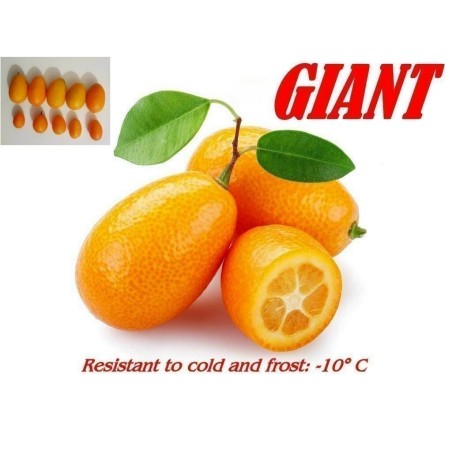
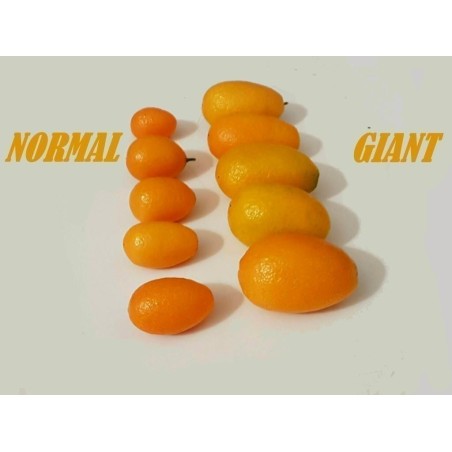
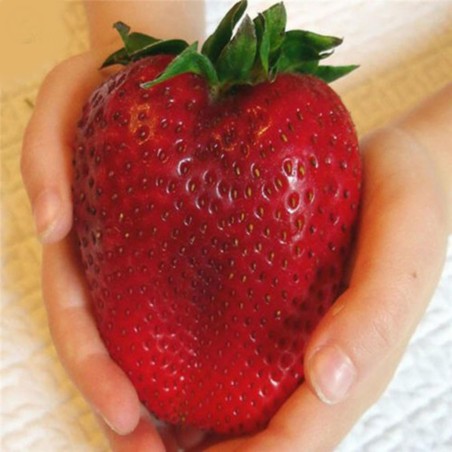
This is a gigantic kumquat, which is more than three times bigger than ordinary kumquat. Kumquats or cumquats are a group of small fruit-bearing trees in the flowering plant
Giant Kumquats or cumquats Seeds - exotic tropical fruit
Price for Package of 3 seeds.
This is a gigantic kumquat, which is more than three times bigger than ordinary kumquat.
Kumquats or cumquats are a group of small fruit-bearing trees in the flowering plant family Rutaceae, either forming the genus Fortunella, or placed within Citrus sensu lato. The edible fruit closely resembles that of the orange (Citrus sinensis), but it is much smaller and ovular, being approximately the size and shape of an olive. The English name "kumquat" derives from the Cantonese pronunciation gam1 gwat1 (given in Jyutping romanization).
They are slow-growing evergreen shrubs or short trees, from 2.5 to 4.5 meters (8 to 15 ft) tall, with dense branches, sometimes bearing small thorns. The leaves are dark glossy green, and the flowers white, similar to other citrus flowers, borne singly or clustered in the leaf-axils. Depending on size, the kumquat tree can produce hundreds or even thousands of fruits each year.[1] The tree can be hydrophytic, with the fruit often found floating on water near shore during the ripe season.[citation needed]
The plant is native to south Asia and the Asia-Pacific region. The earliest historical reference to kumquats appears in literature of China in the 12th century. They have long been cultivated in Japan, Taiwan, the Philippines, and southeast Asia. They were introduced to Europe in 1846 by Robert Fortune, collector for the London Horticultural Society, and shortly thereafter into North America.
Classification
Carl Peter Thunberg originally classified the kumquats as Citrus japonica in his 1784 book Flora Japonica. In 1915, Walter T. Swingle reclassified them in a segregate genus, Fortunella, named in honor of Robert Fortune. Seven species of Fortunella have generally been recognized—F. japonica, F. margarita, F. crassifolia, F. hindsii, F. obovata and F. polyandra, as well as the recently described F. bawangica . The Flora of China returns the kumquat to Citrus and combines the species into the single species as Citrus japonica.[2]
Varieties :
Round kumquat
The round kumquat (also Marumi kumquat or Morgani kumquat) is an evergreen tree, producing edible golden-yellow colored fruit. The fruit is small and usually round but can be oval shaped. The peel has a sweet flavor but the fruit has a sour center. The fruit can be eaten cooked but is mainly used to make marmalade and jelly. It is grown as an ornamental plant and can be used in bonsai. This plant symbolizes good luck in China and other Asian countries, where it is sometimes given as a gift during the Lunar New Year. It's more commonly cultivated than most other kumquats as it is cold tolerant. It can be kept as a houseplant.
When the kumquats are divided into multiple species the name Fortunella japonica (Citrus japonica) is retained by this group.
Oval kumquat
Fortunella margarita, also known as the oval kumquat or the Nagami kumquat, is a close relative to Citrus species. It is a small evergreen tree, that can reach more than 12 ft (4 m) high and 9 ft (3 m) large. It is native to southeastern Asia, and more precisely to China. The oval kumquat has very fragrant citrus-like white flowers, and small edible oval orange fruits. The oval kumquat is an ornamental little tree, with showy foliage, flowers and fruits. It is also fairly frost-hardy, and will withstand negative temperatures such as 14 °F (-10 °C), and even a little lower for very brief periods. It can be grown in USDA hardiness zones 9 and warmer, but can also be tried in sheltered places, in USDA hardiness zone 8. Unlike most citrus species, the oval kumquat has a shorter growth period, and goes into dormancy fairly earlier in autumn. This partly explains its better frost hardiness.
Characteristics
The evergreen leaves of oval kumquats are deep-green and relatively small. They can reach up to 3 in (7 cm) long and 1.5 in (3.5 cm) wide. The white flowers of the oval kumquat are similar to the citrus flowers. They are strongly perfumed, and they appear relatively late in the growing season, generally late spring.
The oval kumquat is a fruit that looks like any citrus fruit, with an orange rind. The fruits are oblong, up to 2 in (5 cm) long. Unlike the common citrus, which have a rind which is inedible raw, oval kumquats have an edible sweet rind. The flesh, however, is not as sweet as the rind, and the juice is quite acidic and sour, with a lemon-like flavor. This fruit is generally eaten fresh, with its rind. It can also be processed into preserves, jams, and other products.
Cultivation
The oval kumquat needs a well-drained and fertile ground. It dislikes alkaline soils. The oval kumquat is susceptible to common citrus pests and diseases.
Jiangsu kumquat
The Jiangsu kumquat or Fukushu kumquat bears edible fruit that can be eaten raw. The fruit can be made into jelly and marmalade. The fruit can be round or bell shaped; it is bright orange when fully ripe. It may also be distinguished from other kumquats by its round leaves that make this species unique within the genus. It is grown for its edible fruit and as an ornamental plant. It cannot withstand frost.
When the kumquats are divided into multiple species the name Fortunella obovata (Citrus obovata) is used for this group.
Cultivation and uses
Kumquats are cultivated in China, South Korea, North Korea, Taiwan, Southeast Asia, Japan, the Middle East, Europe (notably Corfu, Greece), southern Pakistan, and the southern United States (notably Florida, Louisiana, Alabama) and California.
They are much hardier than other citrus plants such as oranges. The 'Nagami' kumquat requires a hot summer, ranging from 25 °C to 38 °C (77 °F to 100 °F), but can withstand frost down to about −10 °C (14 °F) without injury. They grow in the tea hills of Hunan, China, where the climate is too cold for other citrus fruits, even the Mikan (also known as the Satsuma) orange. The trees differ also from other citrus species in that they enter into a period of winter dormancy so profound that they will remain in it through several weeks of subsequent warm weather without putting out new shoots or blossoms. Despite their ability to survive low temperatures, kumquat trees grow better and produce larger and sweeter fruits in warmer regions.
Uses
Kumquats are often eaten raw. As the rind is sweet and the juicy center is sour, the raw fruit is usually consumed either whole—to savor the contrast—or only the rind is eaten. The fruit is considered ripe when it reaches a yellowish-orange stage and has just shed the last tint of green.
Culinary uses include candying and kumquat preserves, marmalade, and jelly. Kumquats can also be sliced and added to salads. In recent years kumquats have gained popularity as a garnish for cocktail beverages, including the martini as a replacement for the more familiar olive. A kumquat liqueur mixes the fruit with vodka or other clear spirit. Kumquats are also being used by chefs to create a niche for their desserts and are common in European countries.
The Cantonese often preserve kumquats in salt or sugar. A batch of the fruit is buried in dry salt inside a glass jar. Over time, all the juice from the fruit is diffused into the salt. The fruit in the jar becomes shrunken, wrinkled, and dark brown in color, and the salt combines with the juice to become a dark brown brine. A few salted kumquats with a few teaspoons of the brine/juice may be mixed with hot water to make a remedy for sore throats.[citation needed] A jar of such preserved kumquats can last several years and still keep its flavor.[citation needed]
In the Philippines and Taiwan, kumquats are a popular addition to green tea and black tea, either hot or iced.
In Vietnam, kumquat bonsai trees (round kumquat plant) are used as a decoration for the Tết (Lunar New Year) holiday. Kumquat fruits are also boiled or dried to make a candied snack called mứt quất.
We verzenden wereldwijd vanuit de Europese Unie per aangetekende luchtpost met handtekeningbevestiging bij bezorging.
📦Uw bestelling volgen Log in op je account en navigeer naarBestelgeschiedenis > Details om uw trackingnummer te vinden.
Je ontvangt e-mailmeldingen voor elke fase van je bestelling. Als je deze berichten niet ziet, controleer dan je map Spam/Ongewenste e-mail of neem contact op met je e-mailprovider. Als alternatief kun je online zoeken naar hoe je e-mails van een afzender kunt deblokkeren.
ONZE E-MAILDIENST WERKT
U ontvangt e-mailmeldingen voor elke fase van uw bestelling. Als u deze berichten niet ziet, controleer dan uw map Spam/Ongewenste e-mail of neem contact op met uw e-mailprovider.
📧Hoe u ervoor zorgt dat e-mails van onze webshop altijd in uw Gmail terechtkomenof een andere e-mailvan de providerIn de inbox en niet als spam gemarkeerd of geblokkeerd:
Voeg de Afzender toe aan de contacten van uw Google-account of van een andere e-mailprovider. We kunnen u niet helpen als uw instellingen er niet zo uitzien. Neem contact op met uw e-mailprovider voor hulp.
Stap 1: Open Gmail en zoek een e-mail van ons xxxxxxxxxxxx@xxx.com Probeer ons niet rechtstreeks een e-mail naar dit adres te sturen; we zullen die niet ontvangen. Elk contact verloopt uitsluitend via het contactformulier in onze online shop! Als je onze e-mail niet kunt vinden, is deze mogelijk geblokkeerd. Ga in dat geval verder met Stap 4 hieronder.
Stap 2: Beweeg de muisaanwijzer over de naam van de afzender of het e-mailadres bovenaan de e-mail.
Stap 3Klik op het pictogram "Toevoegen aan contacten" (het pictogram van een klein persoonnetje).
Dit helpt Gmail ons te herkennen als een vertrouwde afzender, zodat onze e-mails rechtstreeks in je inbox terechtkomen en niet in de spam.
Maak een filter om te voorkomen dat e-mails als spam worden gemarkeerd of geblokkeerd
Stap 1: Open Gmail en klik op het tandwielpictogram rechtsboven, selecteer vervolgens "Alle instellingen bekijken".
Stap 2: Ga naar het tabblad "Filters en geblokkeerde adressen".
Stap 3: Klik op "Maak een nieuw filter aan".
Stap 4: Voer in het veld "From" het e-mailadres in dat u op de witte lijst wilt zetten (e.g., het e-mailadres van onze winkel).
Stap 5: Klik op "Filter maken".
Stap 6: Vink in het volgende venster het vakje met het label "Nooit naar Spam sturen" aan.
Stap 7: Klik op "Filter maken" om op te slaan.
Dit zorgt ervoor dat onze e-mails altijd in uw inbox terechtkomen en niet per ongeluk als spam worden gemarkeerd of geblokkeerd.
Volg uw pakket via:
Aftership
17Track
Posta.hr (voor trackingnummers zoals RGxxxxxxHR)
⚠️Belangrijke mededelingen
Contant bij aflevering isNIETBeschikbaar.
Geef bij het bestellen altijd een geldig mobiel nummer met landcode op (e.g., +365 456 7686 576).
Beveel niet om P.O. Dozen, of als u niet thuis kunt zijn om voor het pakket te tekenen, mogen pakketten niet bij buren worden achtergelaten.
Als een pakket gestuurd naar een P.O. Als de doos verloren is gegaan of niet is afgeleverd, wordt er geen terugbetaling verleend.
⚖️Verantwoordelijkheid van de klant voor naleving van wet- en regelgeving De klant is verantwoordelijk ervoor te zorgen dat het product legaal in hun land kan worden geïmporteerd, inclusief het naleven van alle importvoorschriften, het verkrijgen van de benodigde vergunningen en het betalen van toepasselijke douaneheffingen, belastingen en andere kosten. Controleer alstublieft uw lokale wetgeving voordat u bestelt om eventuele problemen met de douane of levering te voorkomen.
📦Verloren, Geretourneerde & Opnieuw Verzonden Pakketten
Brazilië & Mexico Klanten:We kunnen geen restitutie geven voor pakketten die door de douane verloren zijn gegaan of vernietigd zijn.
Als uw pakket wordt geretourneerd, zullen wij alleen de productkosten terugbetalen — verzendkosten zijn niet restitueerbaar.
Retourporto (€2) en eventuele kosten voor herverzending moeten door de klant worden betaald.
Als een pakket om welke reden dan ook naar ons wordt teruggestuurd, bent u verantwoordelijk voor het betalen van de retourverzendkosten (€2) plus de kosten om het pakket opnieuw te verzenden.
🚚Levering van zending Aangetekende zendingen vereisen een handtekening.
Als uw tracking aangeeft dat het pakket nog bij het postkantoor van vertrek is, is het onderweg — neem contact op met uw plaatselijke postkantoor voor updates.
Helaas kunnen noch wij, noch het postkantoor waarmee je bestelling is verzonden, je helpen met de vraag waar je bestelling is. Wanneer je ziet dat je pakket in je land is,je MOET contact opnemen met je postkantoor met het track & trace-nummerEn bespreek de zaak met hen. Wij verzenden alle bestellingen per officiële staatspost.
Wij zijn niet verantwoordelijk voor levertijden en kunnen zendingen niet voor u volgen.
📅Bezorgopties & Geschatte Tijden
Bezorgoptie
Verwerkingstijd
Notities
Prioritaire levering
Wordt verzonden binnen 1–7 werkdagen
Prioriteert orderverwerking (geen gegarandeerd snellere levering); vertragingen mogelijk tijdens feestdagen (3–10 dagen)
Beveiligde Levering
Wordt verzonden binnen 1–7 werkdagen
Beschikbaar voor bestellingen tot €150; terugbetaling bij verlies
Standaard levering
Verzending binnen 7–10 werkdagen
Goedkoper; tijdens feestdagen kunnen vertragingen optreden (7–14 dagen)
Geschatte levertijd:
Binnen de EU: 3–20 dagen
Wereldwijd: 5–30 dagen
Voorbeelden uit de VS:Geleverd in 13, 17, 19, 22, of 27 dagen.
Opmerking:De levertijden zijn afhankelijk van uw locatie en de lokale postdienst. COVID-19 of de feestdagen kunnen extra vertragingen veroorzaken.
💰Verzendkosten Verzend- en afhandelingskosten worden automatisch berekend bij het afrekenen op basis van het gewicht van het pakket en de bestemming.
⏰Verwerkingstijden voor bestellingen We verwerken of verzenden geen bestellingen op zaterdag of zondag.
💳 Betaalopties
Bankoverschrijving (SEPA / IBAN / SWIFT-BIC) Vermeld uw bestelreferentie in de betalingsomschrijving (e.g., "SGS-19811702"). Bestellingen zonder betaling binnen 7 dagen worden automatisch geannuleerd.
PayPal Betalingen worden alleen in euro's geaccepteerd. Selecteer alstublieft euro's tijdens het afrekenen.
Kaartbetaling We accepteren Visa, MasterCard, American Express, CB, Diners Club, Discover, China UnionPay, JCB, en Discover.
⚠️Transactiekosten Klanten zijn verantwoordelijk voor eventuele bank- of PayPal-transactiekosten. Zorg alstublieft dat de betalingsgegevens correct zijn voor een snellere verwerking van uw bestelling.
📢Slotopmerkingen Controleer voor het plaatsen van uw bestelling altijd onze website op speciale mededelingen, bezorgschema's tijdens feestdagen of specifieke verzendvoorwaarden die uw aankoop kunnen beïnvloeden.
Belangrijke mededeling: Digitale facturen
Om papierafval te verminderen voegen we geen papieren factuur bij je bestelling. Je kunt je factuur op elk gewenst moment eenvoudig downloaden en afdrukken door je Bestelgeschiedenis in je accountprofiel