Asparagus 'Precoce D'Argentuil’ or ‘Early Argenteuil‘ was listed by Vilmorin-Andrieux in 1885 as a selection from 'Giant Dutch Purple'. It is one of three subvarieties of Argenteuil (early, mid, and late) and is highly
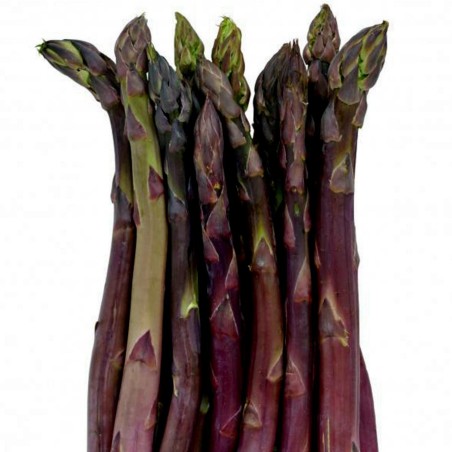
Asparagus 'Precoce D'Argentuil’ or ‘Early Argenteuil‘ was listed by Vilmorin-Andrieux in 1885 as a selection from 'Giant Dutch Purple'. It is one of three subvarieties of Argenteuil (early, mid, and late) and is highly esteemed for its thick, rose-purple spears with tender tips and an excellent flavour.
It is an excellent choice for the impatient gardener. Earlier and hardier than most asparagus varieties, the spears are usually produced from seed struck plants in the second year and it will shoot earlier in the season than other varieties.
In France, Asparagus D'Argentuil is the traditional variety used to create the popular white asparagus by blanching the plants. White asparagus, nicknamed ‘edible ivory’ and ‘white gold’ typically sells for two to three times as much as the green-skinned variety due to the high cost of production and the short season. However, it is simply created by mounding earth over the spears as they begin to push out of the ground, thus keeping them from sunlight and the photosynthesis that would turn them green.
This noble stalk may cost a king's ransom for much of the year but when cultivated in the garden it is affordable for even us commoners and is uncommonly delicious.
Asparagus has grown in the wild in France since the time of Louis XIV. Originally only three different types were available, they were distinguished mostly by their thickness, ‘la grosse’, ‘la commune’ and ‘la sauvage’.
Cultivation become widespread in the mid-19th century, with populations often identified according to countries and towns where they were grown. Arguably the best known asparagus was cultivated at Argenteuil, situated just 14 kilometres northwest of Paris. For centuries Argenteuil was an important asparagus-growing district: at one time several thousand persons were employed in cultivating the crop.
Choosing a site:
Avoid frost pockets and exposed areas. Do not replant on an old asparagus bed as diseases may be a problem. Asparagus will grow on most soil types provided they are well drained. On heavy soils consider creating raised beds, acidic soils may need liming. Soil preparation is essential. Clear the ground of weeds. On heavily compacted soils consider double-digging, otherwise cultivate to a spade’s depth, incorporating well-rotted farmyard manure.
Planting:
Sow indoors in Late Winter to Spring Soak the seeds in water overnight. Sow seeds singly into modules at a depth of 1.25cm (½in) They will germinate in 10 to 14 days at 20 to 28°C (60 to 85°F). After 12 to 14 weeks, they will be ready to be transplanted outdoors. Do this no earlier than four weeks after the last spring frosts, (approx early June). Fork over the prepared area and dig a trench 30cm (12in) wide and 20cm (8in) deep. Work in well-rotted manure in the bottom, cover with 5cm (2in) of the excavated soil and make a 10cm-high (4in) ridge down the centre of the trench. Place the crowns on top, spacing them 30 to 45cm (12 to 18in) apart (right). Leave 45cm (18in) between rows and stagger the plants. Spread the roots evenly and fill in the trench, leaving the bud tips just visible. Water in and mulch with 5cm (2in) of well-rotted manure.
Cultivation:
Asparagus beds must be kept weed free - best done by hand as the shallow roots are easily damaged by hoeing. Mulching discourages weeds and retains moisture. Apply a general fertiliser in early spring and repeat once harvesting has finished. To avoid top-growth breaking off in wind and damaging the crown, use canes and twine either side of the row for support. Allow the foliage to yellow in autumn before cutting it down to 2.5cm (1in). Late frosts will cause distorted growth: protect with a double layer of fleece.
Harvesting:
Do not harvest for the first two years. In the third year, pick from mid-April for six weeks. To harvest, choose spears that are thicker than a pencil. Cut with a sharp knife 2.5cm (1in) below the soil when they are no more than 18cm (7in) tall. In warm weather, harvest every two to three days for best quality spears.
Troubleshooting: The main pests to affect asparagus are slugs and snails, and the larvae and adults of the asparagus beetle. Thin spindly shoots may be due to inadequate moisture, especially with young crowns. In established beds the cause is more likely to be overcropping or competition from weeds.
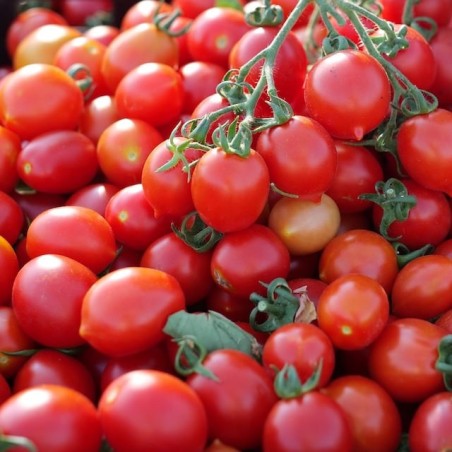
Companion Plants: Tomato, Parsley and Basil
Nomenclature:
Asparagus was first domesticated by the Greeks and then the Romans took the culture of growing asparagus from eastern nations, from which they also took the old Iranian word 'sparega', which means shoot, rod or spray, referring to the plants habit, becoming 'asparagos' and 'asparagus' in Greek and Latin respectively. The specific designation 'officinalis' indicates its inclusion in official listings of medicinal plants.
Origin:
Asparagus has its origins in Eastern Europe, Caucasus and Siberia. It is a large genus comprising of about 150 species of herbaceous perennials, tender woody shrubs and vines. Some of them are grown for their ornamental value (ie Asparagus plumosus, A. densiflorus, A. virgatus) or for their medicinal value (ie A racemosus, A. verticillatus, A. adscendens). The wild species A. acutifolius has cultural roots in Spain and Greece. The only species cultivated for is tender shoots is Asparagus officinalis. The asparagus of the past was rather tall and narrow, very similar in appearance to wild asparagus. The fat-stemmed types with which we are more familiar evolved in the eighteenth century. Yet for all the claims about their relative merits, there were only two basic types: green and white, based on the colour of the spears. The old dark green varieties were often tinged with red or violet on the bud end. It is out of these that the modern purple-stemmed varieties have been developed. One of the first detailed guides on how to raise asparagus is traced back to about 65 A.D. by the Roman Columella. Romans spread the culture of growing asparagus along with their empire throughout Europe. In all Europe, except Spain the decline of the Roman Empire brought a decline in its cultivation, which was confined only to some feudal lords and monastery gardens as a medicinal plant, until the Renaissance, when it was rediscovered as an appreciated vegetable.
Development:
The Renaissance brought an increased interest in neglected species, the growing of asparagus became popular in the sixteenth and seventeenth centuries in Germany, France, England and the Netherlands. Asparagus populations began to be identified according to countries and towns where they were grown, arising proveniences as Riga, Ghent, Vendome and Violet Dutch. During the nineteenth century Argenteuil from France and Braunschweiger from Germany gained reputation, replacing populations and landraces currently planted by that time. Subsequent selections were conducted from Argenteuil in many countries, yielding Early and Late Argenteuil in France, Reading Giant in England and Palmetto in the USA. In the beginning of the 20th century, in France and Italy selections of advanced cultivars were derived from Argenteuil, while in the US, a great effort of breeding was carried out by JB Norton in the search for rust resistance (Puccinia asparagi) yielding Martha Washington and then Mary Washington cultivars. Each cultivar was the advanced first generation progeny of two selected plants derived from Reading Giant and probably Argenteuil. Mary Washington was hugely successful and is still available today.
Wysyłamy na cały świat z Unii Europejskiej przesyłką lotniczą poleconą z potwierdzeniem odbioru (podpis przy doręczeniu).
📦Śledzenie Twojego zamówienia Zaloguj się na swoje konto i przejdź doHistoria zamówień > Szczegóły aby znaleźć numer śledzenia.
Otrzymasz powiadomienia e-mailowe na każdym etapie twojego zamówienia. Jeśli nie widzisz tych wiadomości, sprawdź folder Spam/Junk lub skontaktuj się z dostawcą poczty. Alternatywnie wyszukaj w Internecie, jak odblokować adresy e-mail nadawców.
NASZA USŁUGA E-MAILOWA DZIAŁA
Otrzymasz powiadomienia e-mail na każdym etapie realizacji zamówienia. Jeśli nie widzisz tych wiadomości, sprawdź folder Spam/Kosz lub skontaktuj się z dostawcą poczty e-mail.
📧Jak upewnić się, że e-maile z naszego sklepu internetowego zawsze trafiają do Twojego Gmailalub jakikolwiek inny e-maildostawcyOdebrane i nie oznaczone jako spam ani zablokowane:
Dodaj nadawcę do kontaktów w Google lub u dowolnego innego dostawcy poczty e-mail. Nie możemy ci pomóc, jeśli twoje ustawienia nie wyglądają w ten sposób. Skontaktuj się z dostawcą poczty e-mail, aby uzyskać pomoc.
Krok 1: Otwórz Gmail i znajdź e-mail od nas xxxxxxxxxxxx@xxx.com Nie próbuj wysyłać do nas wiadomości e-mail bezpośrednio na ten adres; nie otrzymamy jej. Kontakt odbywa się wyłącznie przez formularz kontaktowy w naszym sklepie internetowym! Jeśli nie możesz znaleźć naszej wiadomości e-mail, mogła zostać zablokowana. W takim przypadku przejdź do Kroku 4 poniżej.
Krok 2: Najedź kursorem na nazwę nadawcy lub adres e-mail u góry wiadomości.
Krok 3: Kliknij ikonę "Dodaj do kontaktów" (mała ikona osoby).
To pomoże Gmailowi rozpoznać nas jako zaufanego nadawcę, dzięki czemu nasze e-maile trafią prosto do Twojej skrzynki odbiorczej, a nie do spamu.
Utwórz filtr, aby zapobiec oznaczaniu wiadomości e-mail jako spam lub ich blokowaniu
Krok 1: Otwórz Gmail i kliknij ikonę koła zębatego w prawym górnym rogu, a następnie wybierz "Zobacz wszystkie ustawienia".
Krok 2: Przejdź do zakładki „Filtry i zablokowane adresy”.
Krok 3: Kliknij "Utwórz nowy filtr".
Krok 4: W polu "From" wpisz adres e-mail, który chcesz dodać do białej listy (e.g., adres e-mail naszego sklepu).
Krok 5: Kliknij "Utwórz filtr".
Krok 6: W następnym oknie zaznacz pole oznaczone "Nigdy nie wysyłaj tego do spamu".
Krok 7: Kliknij "Utwórz filtr", aby zapisać.
To zapewni, że nasze e-maile zawsze trafią do Twojej skrzynki odbiorczej i nie zostaną omyłkowo oznaczone jako spam ani zablokowane.
Śledź swoją przesyłkę przez:
Aftership
17Track
Posta.hr (dla numerów śledzenia takich jak RGxxxxxxHR)
⚠️Ważne informacje
Płatność za pobraniem toNIE dostępne.
Zawsze podaj ważny numer telefonu komórkowego z kodem kraju podczas składania zamówienia (e.g., +365 456 7686 576).
Nie rozkazuj, aby P.O. Pudełka, lub jeśli nie możesz być w domu, aby podpisać odbiór przesyłki, paczki nie mogą być zostawiane u sąsiadów.
Jeśli paczka wysłana do P.O. Jeżeli paczka zostanie zgubiona lub nie doręczona, zwrot pieniędzy nie zostanie wydany.
⚖️Odpowiedzialność klienta za przestrzeganie przepisów prawa Klient jest odpowiedzialny za zapewnienie, że produkt jest legalny do importu do jego kraju, w tym za przestrzeganie wszystkich przepisów importowych, uzyskanie niezbędnych pozwoleń oraz uiszczenie należnych ceł, podatków i innych opłat. Proszę sprawdzić lokalne przepisy przed złożeniem zamówienia, aby uniknąć problemów z odprawą celną lub dostawą.
📦Zaginione, Zwrócone & Ponownie Wysyłane Przesyłki
Klienci Brazylii & Meksyku:Nie możemy zwrócić pieniędzy za przesyłki zagubione lub zniszczone przez służby celne.
Jeśli twoja przesyłka zostanie zwrócona, zwrócimy tylko koszt produktu — koszty wysyłki nie podlegają zwrotowi.
Koszty odesłania (€2) oraz wszelkie koszty ponownej wysyłki muszą zostać pokryte przez klienta.
Jeśli paczka zostanie do nas zwrócona z jakiegokolwiek powodu, jesteś odpowiedzialny za opłacenie kosztów wysyłki zwrotnej (€2) oraz kosztu ponownej wysyłki paczki.
Jeśli w systemie śledzenia widać, że paczka nadal znajduje się w urzędzie pocztowym nadania, to znaczy, że jest w drodze — skontaktuj się ze swoim lokalnym urzędem pocztowym, aby uzyskać aktualizacje.
Niestety ani my, ani poczta, przez którą zostało wysłane Twoje zamówienie, nie jesteśmy w stanie pomóc Ci w ustaleniu, gdzie ono się znajduje. Kiedy zobaczysz, że Twoja paczka jest w Twoim kraju, ,MUSISZ skontaktować się z urzędem pocztowym, podając numer śledzeniaI omówić tę sprawę z nimi. Wysyłamy wszystkie zamówienia pocztą państwową.
Nie ponosimy odpowiedzialności za terminy dostawy i nie możemy śledzić przesyłek w Państwa imieniu.
📅Opcje Dostawy & Szacowane Czasy
Opcja dostawy
Czas Przetwarzania
Notatki
Dostawa Priorytetowa
Wysyłka w ciągu 1–7 dni roboczych
Priorytetowo traktuje realizację zamówień (nie gwarantuje szybszej dostawy); w okresie świątecznym możliwe opóźnienia (3–10 dni)
Bezpieczna Dostawa
Wysyłka w ciągu 1–7 dni roboczych
Dostępne dla zamówień do €150; zwrot w przypadku zagubienia
Dostawa standardowa
Wysyłka w ciągu 7–10 dni roboczych
Bardziej ekonomiczna; w okresie świątecznym możliwe opóźnienia (7–14 dni)
Szacowany czas dostawy:
W UE: 3–20 dni
Na całym świecie:5–30 dni
Przykłady USA:Dostarczone w ciągu 13, 17, 19, 22 lub 27 dni.
Uwaga:Czasy dostawy zależą od Twojej lokalizacji i lokalnego systemu pocztowego. COVID-19 lub okresy świąteczne mogą powodować dodatkowe opóźnienia.
💰Koszty wysyłki Opłaty za wysyłkę i obsługę są obliczane automatycznie podczas finalizacji zamówienia na podstawie wagi przesyłki i miejsca przeznaczenia.
⏰Godziny realizacji zamówień Nie przetwarzamy ani nie wysyłamy zamówień w soboty ani w niedziele.
💳Opcje płatności
Przelew bankowy (SEPA / IBAN / SWIFT-BIC) Umieść numer zamówienia w opisie płatności (e.g., "SGS-19811702"). Zamówienia bez dokonanej płatności w ciągu 7 dni zostaną automatycznie anulowane.
PayPal Płatności akceptowane są wyłącznie w euro. Proszę wybrać euro podczas finalizacji zamówienia.
Płatność kartą Akceptujemy karty Visa, MasterCard, American Express, CB, Diners Club, Discover, China UnionPay, JCB oraz Discover.
⚠️Opłaty transakcyjne Klienci ponoszą wszelkie opłaty transakcyjne pobierane przez bank lub PayPal. Proszę upewnić się, że dane płatnicze są poprawne, aby przyspieszyć przetwarzanie zamówienia.
📢Uwagi końcowe Przed złożeniem zamówienia zawsze sprawdź naszą stronę internetową pod kątem specjalnych komunikatów, harmonogramów świątecznych lub szczególnych warunków wysyłki, które mogą wpłynąć na twój zakup.
Ważne zawiadomienie: Faktury elektroniczne
Aby ograniczyć ilość odpadów papierowych, nie dołączamy do zamówienia wydrukowanej faktury. Fakturę możesz łatwo pobrać i wydrukować w dowolnym momencie, odwiedzając swojeHistoria zamówień w profilu twojego konta