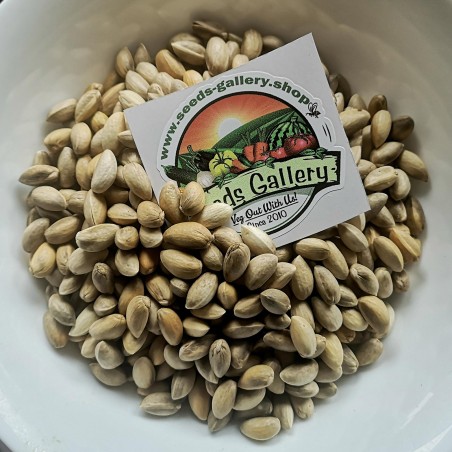
🌰 Semena pistácie řecké odrůdy Aegina (Pistacia vera) jsou prémiová řecká semena pistácie ze slavné odrůdy Aegina, známé vynikající kvalitou ořechů, sladkými zelenými jádry a přirozeně se otevírajícími skořápkami. Tyto odolné opadavé stromy jsou mimořádně mrazuvzdorné; u etablovaných rostlin bylo ověřeno, že snesou teploty přibližně -20 až -21°C, a jsou ideální pro zahrady ve středomořském stylu i pistáciové sady.
Semena pistácie řecké odrůdy Aegina (Pistacia vera)
Cena za balení 5, 10, 20, 50, 100 nebo 500 semen
🌰 Aegina je jedna z nejznámějších a nejvíce ceněných odrůd pistácie z Řecka. Tato tradiční řecká odrůda pochází z ostrova Aegina, kde má pěstování pistácií dlouhou historii a kde je pro svou jedinečnou kvalitu a vlastnosti chráněna proslulá Fystiki Aeginas.
Pokud chcete pěstovat opravdu výjimečný ořechový strom, Pistacia vera Aegina je vynikající volba. Je to dlouhověký opadavý strom schopný přizpůsobit se horkým, suchým létům a chladným zimám. Stromy jsou zvláště zajímavé pro pěstitele v oblastech, kde mohou být zimní teploty velmi nízké, protože u etablovaných pistácií Aegina bylo ověřeno, že snášejí teploty přibližně do -20 až -21°C, a potenciálně i nižší v závislosti na věku rostliny, jejím zdravotním stavu, stanovištních podmínkách a otužení.
Proč pěstovat pistácii Aegina?
🌰 Proslulá řecká jedlá odrůda pistácie
🇬🇷 Tradiční odrůda spojená s ostrovem Aegina
🌱 Pistacia vera, pravý jedlý druh pistácie
❄️ U etablovaných stromů ověřena tolerance přibližně -20 až -21°C
☀️ Výborné přizpůsobení horkým, slunným a relativně suchým podmínkám
🌳 Dlouhověký opadavý strom
🌿 Přirozeně rozložitý růst
🥜 Sladká jedlá jádra s atraktivním zeleným zbarvením
🐚 Ořechy se při dozrávání přirozeně otevírají
🌱 Dvoudomý druh se samčími a samičími stromy
🌾 Výborná volba pro domácí zahrady i komerční sady
🔄 Schopnost dávat po dosažení dospělosti vysoké výnosy
Slavná pistácie Aegina
Aegina není jen obecná pistácie. Je to uznávaný řecký kultivar s dlouhou historií pěstování v Řecku. Vědecké studie hlavních řeckých kultivarů pistácie uvádějí Aegina a Pontikis jako dominantní řecké kultivary, přičemž Aegina vyniká vynikající kvalitou ořechů a silným produkčním potenciálem.
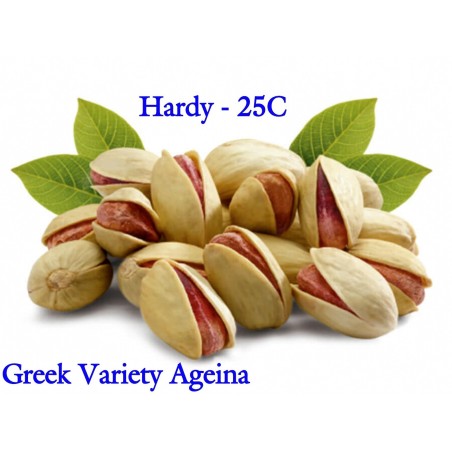
Ořechy Aegina mají charakteristický úzce srdčitý tvar, zelená jádra a vysoký podíl přirozeně otevřených skořápek. Výzkum na dospělých stromech Aegina zaznamenal přibližně 78,5% přirozeně otevřených ořechů a průměrné výnosy při plné plodnosti kolem 18 kg suchých ořechů na strom za studovaných podmínek.
Sladká zelená jádra a přirozeně otevřené skořápky
🌰 Jedlé jádro je skutečnou odměnou pěstování Pistacia vera. Aegina vytváří atraktivní zelená až zelenobílá jádra s vynikající chutí a typickým pistáciovým aroma.
Jak ořechy dozrávají, skořápka se přirozeně otevírá. Je to jeden z určujících znaků pistácií a činí zralou úrodu obzvlášť atraktivní pro sklizeň, pražení i konzumaci.
Výjimečná mrazuvzdornost
❄️ Jednou z nejdůležitějších vlastností pro pěstitele mimo tradiční středomořské oblasti je mrazuvzdornost etablovaných pistáciových stromů. U této nabídky Aegina byla mrazuvzdornost ověřena přibližně do -20 až -21°C, přičemž existuje možnost přežití i nižších teplot v závislosti na konkrétním stromu a pěstebních podmínkách.
Mladé semenáčky by měly být stále chráněny před tvrdými zimními podmínkami, dokud se dobře neujmou. Dospělé stromy jsou výrazně odolnější, zejména když jsou vysazeny na slunném, chráněném místě s vynikající drenáží.
Tato kombinace snášenlivosti extrémního letního horka a působivé zimní odolnosti činí Aeginu obzvlášť zajímavou pistácií pro pěstitele v kontinentálním klimatu, kde jsou léta horká, ale zimní teploty mohou občas klesnout hluboko pod bod mrazu.
Horká léta jsou přesně to, co pistácie milují
☀️ Pistacia vera je přirozeně přizpůsobena oblastem s horkými, suchými léty a relativně chladnými zimami. Aegina prospívá nejlépe na plném slunci s výbornou drenáží půdy.
Na rozdíl od mnoha ovocných stromů pistácie nemají rády trvale mokrou půdu. Kořenový systém potřebuje dobré provzdušnění, proto se vyhněte těžkým zamokřeným stanovištím. Slunné místo s dobře propustnou půdou je jedním z nejdůležitějších požadavků pro dlouhodobý úspěch.
Pamatujte: Pistácie potřebují samčí a samičí stromy
🌳 Pistácie je dvoudomý druh, což znamená, že samčí a samičí květy se vyskytují na oddělených stromech. Samičí strom nemůže bez kompatibilního samčího pylu v okolí vytvořit komerční úrodu ořechů.
Pro sadovou produkci jsou proto samčí opylovače nezbytní. Vědecký výzkum řeckých sadů Aegina uvádí, že samčí stromy se běžně udržují přibližně na úrovni 12% populace samičích stromů, strategicky rozmístěné po sadu tak, aby větrem nesený pyl dosáhl k samičím květům.
Je to jeden z nejdůležitějších bodů, které je třeba pochopit při pěstování pistácií ze semen: u stromů vypěstovaných ze semen nelze zaručit, že budou samičí. Pokud je vaším cílem komerční produkce, plánujte obě pohlaví nebo použijte známé roubované samičí a samčí kultivary, jakmile budou semenáčky dostatečně vyvinuté.
Pěstování pistácie Aegina ze semen
🌱 Semena pistácie lze předpěstovat v květináčích, výsevních miskách nebo školkařských záhonech s použitím dobře propustného pěstebního substrátu. Namáčení semen před výsevem může pomoci zahájit hydrataci, zatímco lehká skarifikace může usnadnit pronikání vody přes osemení.
Vysévejte přibližně do hloubky 2 až 3 cm a udržujte substrát mírně vlhký. Vyhněte se přemokření a stojaté vodě. Pro počáteční růst semenáčků je ideální teplé, světlé místo.
Jakmile se semenáčky vyvinou v zdravé mladé rostliny, lze je postupně otužovat na venkovní podmínky. Mladé pistácie ocení ochranu během prvních zim, i když etablované stromy jsou výrazně mrazuvzdornější.
Výsadba a dlouhodobá péče
🌿 Pro trvalou výsadbu vyberte nejslunnější a nejlépe odvodněnou část zahrady. Pistácie jsou dlouhověké stromy a je třeba jim poskytnout dostatek prostoru pro rozvoj rozložité koruny.
Slunce: Plné slunce
Půda: Hluboká, úrodná a velmi dobře propustná
Zálivka: Po ujmutí mírná
Zima: Vyhněte se nadměrné vlhkosti u kořenů
Výživa: Vyvážené hnojení podle půdy a potřeb rostlin
Řez: Tvarujte mladé stromy a udržujte produktivní strukturu s postupem zrání
Opylení: Pro tvorbu plodů jsou nutné samčí a samičí stromy
Trpělivost přináší odměnu
🌳 Pistácie nejsou plodinou pro netrpělivé zahrádkáře. Jsou to dlouhověké vytrvalé stromy, které potřebují několik let, než dosáhnou významné produkce. Výzkum kultivaru Aegina ukazuje začátek plodnosti přibližně 6 až 7 let po roubování, přičemž plné plodnosti je dosaženo mnohem později s dozráváním stromů.
Stromy vypěstované ze semen mohou potřebovat více času a jejich budoucí pohlaví nelze určit pouze ze semene. Jakmile se však ujmou, zdravý pistáciový strom může být produktivní po mnoho let a stát se trvalou součástí zahrady či sadu.
Aegina pro domácí zahrady a sady
🌰 Ať už chcete experimentovat s pěstováním vlastních pistácií, nebo založit produktivní sad, Aegina je fascinující odrůda k pěstování. Její kombinace prémiového řeckého původu, atraktivních zelených jader, přirozeně se otevírajících skořápek, snášenlivosti horka a výjimečné mrazuvzdornosti etablovaných stromů z ní činí jednu z nejzajímavějších pistáciových odrůd dostupných pro zahrádkáře.
S trpělivostí a správným plánováním opylení mohou tyto stromy časem poskytnout vlastní domácí pistácie pro konzumaci čerstvé, pražené nebo pro použití v dezertech a slaných pokrmech.
Detaily produktu
Produkt: Semena pistácie řecké odrůdy Aegina
Botanický název: Pistacia vera
Odrůda: Aegina
Původ: Řecko
Typ stromu: Opadavý, dlouhověký ořechový strom
Růst: Rozložitý
Květy: Jednopohlavné, samčí a samičí na oddělených stromech
Ořech: Úzce srdčitý tvar s přirozeně se otevírající skořápkou
Barva jádra: Zelená až zelenobílá
Chuť: Sladká a typická pro prémiovou pistácii
Mrazuvzdornost: U etablovaných stromů ověřena přibližně do -20 až -21°C, s potenciálně vyšší tolerancí podle podmínek
Klima: Horká léta a chladné zimy
Slunce: Plné slunce
Půda: Dobře propustná
Opylení: Nutné samčí a samičí stromy
Produkce: Dlouhodobá vytrvalá plodina
Varianty balení: 5, 10, 20, 50, 100 nebo 500 semen
Semena pistácie řecké odrůdy Aegina, Semena pistácie Aegina, Semena Pistacia vera, Semena řecké pistácie, Řecká pistácie Aegina, Fystiki Aeginas, Pistáciový strom Aegina, Jedlá semena pistácie, Prémiová odrůda pistácie, Mrazuvzdorná pistácie, Semena pistácie k výsadbě, Pěstování pistácie ze semen, Středomořský pistáciový strom, Řecký pistáciový strom, Semena pro pistáciový sad, Odolná odrůda pistácie.
Z Evropské unie odesíláme do celého světa registrovanou leteckou poštou s potvrzením podpisu při doručení.
📦Sledování vaší objednávky Přihlaste se do svého účtu a přejděte naHistorie objednávek > Podrobnosti najít vaše sledovací číslo.
Obdržíte e-mailová oznámení o každé fázi vaší objednávky. Pokud tyto zprávy nevidíte, zkontrolujte prosím složku Spam/Nežádaná pošta nebo kontaktujte svého poskytovatele e-mailu. Případně vyhledejte na internetu, jak odblokovat e-mailovou adresu odesílatele.
NAŠE E-MAILOVÁ SLUŽBA FUNGUJE
Obdržíte e-mailová upozornění v každé fázi vaší objednávky. Pokud tyto zprávy nevidíte, zkontrolujte prosím složku Spam/Nevyžádaná pošta nebo kontaktujte svého poskytovatele e-mailu.
📧Jak zajistit, aby e-maily z našeho online obchodu vždy dorazily do vašeho Gmailunebo jakýkoli jiný e-mailposkytovateleJsou v doručené poště a nejsou označeny jako nevyžádaná pošta nebo zablokovány:
Přidejte Odesílatele do kontaktů ve svém účtu Google nebo u jakéhokoli jiného poskytovatele e-mailu. Nemůžeme vám pomoci, pokud vaše nastavení není takové. Obraťte se na svého poskytovatele e-mailu pro pomoc.
Krok 1: Otevřete Gmail a najděte e-mail od nás xxxxxxxxxxxx@xxx.com Nezkoušejte nám posílat e-mail přímo na tuto adresu; nedostaneme ho. Veškerý kontakt probíhá výhradně přes kontaktní formulář v našem online obchodě! Pokud nemůžete najít náš e-mail, mohl být zablokován. V tom případě postupujte podle kroku 4 níže.
Krok 2: Umístěte kurzor myši nad jméno odesílatele nebo e-mailovou adresu v horní části e-mailu.
Krok 3: Klikněte na ikonu „Přidat do kontaktů“ (malá ikona osoby).
To pomůže Gmailu rozpoznat nás jako důvěryhodného odesílatele, takže naše e-maily půjdou přímo do vaší doručené pošty a ne do spamu.
Vytvořte filtr, který zabrání tomu, aby byly e-maily označeny jako spam nebo zablokovány.
Krok 1: Otevřete Gmail a klikněte na ikonu ozubeného kola v pravém horním rohu, poté vyberte "Zobrazit všechna nastavení".
Krok 2: Přejděte na kartu "Filtry a zablokované adresy".
Krok 3: Klikněte na "Vytvořit nový filtr".
Krok 4: Do pole "From" zadejte e-mailovou adresu, kterou chcete přidat na bílou listinu (e.g., e-mail našeho obchodu).
Krok 5: Klikněte na "Vytvořit filtr".
Krok 6: V dalším okně zaškrtněte políčko označené "Nikdy to neodesílat do spamu".
Krok 7: Klikněte na "Vytvořit filtr" pro uložení.
To zajistí, že naše e-maily vždy dorazí do vaší doručené pošty a nebudou omylem označeny jako spam ani zablokovány.
Sledujte svou zásilku pomocí:
Aftership
17Track
Posta.hr (pro sledovací čísla jako RGxxxxxxHR)
⚠️Důležitá oznámení
Platba na dobírku jeNE k dispozici.
Při objednávání vždy uveďte platné mobilní číslo s předvolbou země (e.g., +365 456 7686 576).
Nenařizujte, aby P.O. Krabice, nebo pokud nemůžete být doma, abyste podepsali převzetí balíku, zásilky nelze zanechat u sousedů.
Pokud je balíček zaslaný na P.O. Pokud je zásilka ztracena nebo nedoručena, nebude poskytnuto vrácení peněz.
⚖️Zodpovědnost zákazníka za dodržování právních předpisů Zákazník je odpovědný za zajištění, že je dovoz produktu do své země legální, včetně dodržení všech dovozních předpisů, získání nezbytných povolení a zaplacení příslušných celních poplatků, daní a dalších poplatků. Před objednáním si prosím ověřte místní právní předpisy, abyste se vyhnuli problémům s celním odbavením nebo doručením.
Pokud vaše sledování ukazuje, že je balíček stále na poště odesílatele, je na cestě — kontaktujte místní pobočku pošty pro aktuální informace.
Bohužel my ani pošta, přes kterou byla vaše objednávka odeslána, vám nemůžeme pomoci s tím, kde se vaše objednávka nachází. Jakmile uvidíte, že je vaše zásilka ve vaší zemi,MUSÍTE kontaktovat svou poštu s číslem zásilky a projednejte to s nimi. Všechny objednávky odesíláme oficiální státní poštou.
Neodpovídáme za dodací lhůty a nemůžeme za vás sledovat zásilky.
📅Možnosti doručení & odhadované časy
Možnost doručení
Doba zpracování
Poznámky
Přednostní doručení
Odesíláme během 1–7 pracovních dnů.
Upřednostňuje zpracování objednávek (není zaručeno rychlejší doručení); během svátků mohou nastat zpoždění (3–10 dní)
Zabezpečené doručení
Odesíláme během 1–7 pracovních dnů.
Dostupné pro objednávky do €150; vrácení peněz v případě ztráty
Standardní doručení
Odesíláme do 7–10 pracovních dnů.
Levnější; během svátků mohou nastat zpoždění (7–14 dní)
Odhadovaný čas doručení:
V rámci EU: 3–20 dní
Celosvětově:5–30 dní
Příklady USA:Doručeno za 13, 17, 19, 22 nebo 27 dní.
Poznámka:Doba doručení závisí na vaší poloze a na místním poštovním systému. COVID-19 nebo sváteční období mohou způsobit další zpoždění.
💰Náklady na dopravu Poplatky za dopravu a manipulaci se automaticky vypočítají při dokončení objednávky na základě hmotnosti zásilky a místa doručení.
⏰Provozní doba zpracování objednávek V sobotu a v neděli objednávky nevyřizujeme ani neodesíláme.
💳Možnosti platby
Bankovní převod (SEPA / IBAN / SWIFT-BIC) Do popisu platby uveďte referenci vaší objednávky (e.g., "SGS-19811702"). Objednávky bez platby do 7 dnů budou automaticky zrušeny.
PayPal Platby jsou přijímány pouze v eurech. Prosím vyberte eura při placení.
Platba kartou Akceptujeme Visa, MasterCard, American Express, CB, Diners Club, Discover, China UnionPay, JCB a Discover.
⚠️Transakční poplatky Zákazníci hradí veškeré bankovní nebo PayPal transakční poplatky. Prosím, zajistěte přesné platební údaje pro rychlejší zpracování objednávky.
📢Závěrečné poznámky Před zadáním objednávky si vždy zkontrolujte naše webové stránky kvůli zvláštním oznámením, informacím o provozu během svátků nebo konkrétním přepravním podmínkám, které by mohly ovlivnit váš nákup.
Důležité upozornění: Digitální faktury
Abychom snížili množství papírového odpadu, nepřikládáme k vaší objednávce tištěnou fakturu. Fakturu si můžete kdykoli snadno stáhnout a vytisknout návštěvou vašehoHistorie objednávek v profilu vašeho účtu