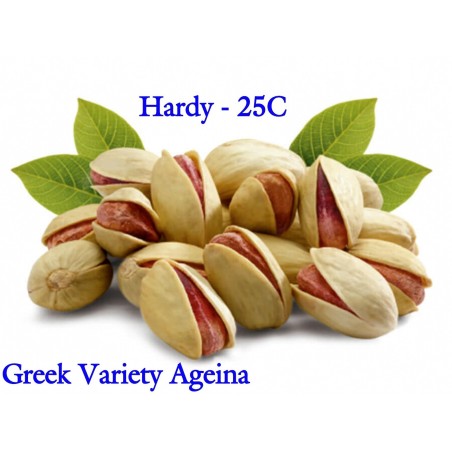
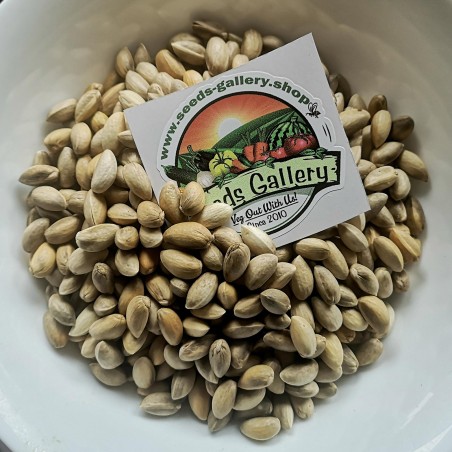
🌰 A Pisztácia Magvak görög Aegina fajta (Pistacia vera) prémium görög pisztácia Magvak a híres Aegina fajtából, amely kiváló termésminőségéről, édes zöld magbeléről és természetesen felnyíló héjáról ismert. Ezek a strapabíró, lombhullató fák kivételesen fagytűrők: a meghonosodott növényekről igazolták, hogy körülbelül -20 és -21°C-ig elviselik a hideget, és ideálisak mediterrán jellegű kertekbe és pisztáciaültetvényekbe.
Pisztácia Magvak görög Aegina fajta (Pistacia vera)
Ár 5 10 20 50 100 vagy 500 Magvak kiszerelésre
🌰 Az Aegina Görögország egyik leghíresebb és legnagyobbra becsült pisztáciafajtája. Ez a hagyományos görög fajta Aegina szigetéről származik, ahol a pisztáciatermesztésnek hosszú múltja van, és ahol a neves Fystiki Aeginas jellegzetes minősége és tulajdonságai miatt védettséget élvez.
Ha egy igazán különleges csonthéjas fát szeretne nevelni, a Pistacia vera Aegina kiváló választás. Hosszú életű, lombhullató fa, amely képes alkalmazkodni a forró, száraz nyarakhoz és a hideg telekhez. A fák különösen érdekesek lehetnek azoknak a termesztőknek, akik olyan régiókban élnek, ahol a téli hőmérséklet kemény lehet, mivel a meghonosodott Aegina pisztáciafák bizonyítottan körülbelül -20 és -21°C-ig tűrik a hideget, és a növény életkorától, egészségi állapotától, a termőhelyi körülményektől és az akklimatizációtól függően akár ennél alacsonyabb hőmérsékletet is.
Miért érdemes Aegina pisztáciát nevelni?
🌰 Híres görög étkezési pisztáciafajta
🇬🇷 Hagyományos fajta, Aegina szigetéhez kötődő eredettel
🌱 Pistacia vera, az igazi étkezési pisztáciafaj
❄️ A meghonosodott fák bizonyítottan kb. -20 és -21°C-ig tűrik
☀️ Kiváló alkalmazkodás a forró, napos és viszonylag száraz körülményekhez
🌳 Hosszú életű lombhullató fa
🌿 Természetesen terülő növekedési habitus
🥜 Édes, ehető magbelű termés, tetszetős zöld színnel
🐚 A termések éréskor természetesen felnyílnak
🌱 Kétlaki faj, külön hím- és nőivarú egyedekkel
🌾 Kiváló választás házikertekbe és üzemi ültetvényekbe
🔄 Éretten képes bő termést hozni
A híres Aegina pisztácia
Az Aegina nem egyszerűen egy általános pisztácia. Elismert görög kultivár, amelynek Görögországban hosszú termesztési múltja van. A fő görög pisztáciakultivárokat vizsgáló tudományos tanulmányok az Aegina és a Pontikis fajtákat azonosítják domináns görög kultivárként, az Aegina pedig kiváló termésminőséget és erős termőképességi potenciált mutat.
Az Aegina termései jellegzetes, keskeny szív alakú formájúak, zöld magbelűek, és magas arányban nyílnak fel természetes módon. Érett Aegina fák vizsgálata során körülbelül 78,5% természetesen felnyílt termést és a vizsgált körülmények között átlagosan 18 kg száraz termést fánként rögzítettek teljes termőre fordulásnál.
Édes zöld magbelek és természetesen felnyíló héjak
🌰 A Pistacia vera nevelésének igazi jutalma az ehető magbél. Az Aegina tetszetős, zöldtől zöldesfehérig terjedő színű magbeleket ad, kiváló fogyasztási minőséggel és jellegzetes pisztáciaízzel.
Ahogy a termések érnek, a héj természetes módon felnyílik. Ez a pisztácia egyik meghatározó tulajdonsága, és a beérett termést különösen vonzóvá teszi betakarításra, pörkölésre és fogyasztásra.
Kiemelkedő fagytűrés
❄️ A hagyományos mediterrán régiókon kívüli termesztők számára az egyik legfontosabb tulajdonság a meghonosodott pisztáciafák hidegtűrése. Ennél az Aegina tételnél a fagytűrést körülbelül -20 és -21°C-ig igazolták, és az egyedi fa, valamint a termesztési körülmények függvényében ennél alacsonyabb hőmérséklet túlélése is lehetséges.
A fiatal magoncokat a meghonosodásig továbbra is védeni kell a zord téli körülményektől. A kifejlett fák lényegesen ellenállóbbak, különösen napos, védett fekvésben, kiváló vízelvezetésű talajban.
A szélsőséges nyári hőtűrés és az imponáló téli fagytűrés kombinációja teszi az Aeginát különösen érdekessé kontinentális éghajlaton, ahol a nyár forró, de a téli hőmérséklet időnként jóval fagypont alá süllyedhet.
A forró nyár pontosan az, amit a pisztácia kedvel
☀️ A Pistacia vera természetes módon forró, száraz nyarú és viszonylag hideg telű régiókhoz alkalmazkodott. Az Aegina teljes napsütésben és kiváló talajvízelvezetés mellett teljesít a legjobban.
Sok gyümölcsfával ellentétben a pisztácia nem kedveli az állandóan nedves talajt. A gyökérzetnek jó levegőzöttségre van szüksége, ezért kerülje a nehéz, vízállásos fekvésű területeket. A napos hely és a jó vízelvezetésű talaj a hosszú távú siker egyik legfontosabb feltétele.
Ne feledje: a pisztáciához hím- és nőivarú fák kellenek
🌳 A pisztácia kétlaki faj, ami azt jelenti, hogy a hím- és nőivarú virágok külön fákon találhatók. Egy nőivarú fa nem képes piacképes termést hozni kompatibilis hím pollen nélkül a közelben.
Ültetvényes termesztésben ezért a hím porzó fák elengedhetetlenek. Görögországi Aegina-ültetvények tudományos vizsgálatai szerint a hím fákat gyakran a nőivarú fák állományának körülbelül 12%-ában tartják fenn, az ültetvényben stratégiailag elosztva, hogy a szél által szállított pollen elérje a nőivarú virágokat.
Ez az egyik legfontosabb szempont, amikor magról nevel pisztáciát: a magról kelt fák nem garantáltan nőivarúak. Ha a cél a kereskedelmi termés, tervezzen mindkét nemmel, vagy használjon ismert oltott nőivarú és hímivarú kultivárokat, miután a magoncok kellően fejlettek.
Aegina pisztácia nevelése magról
🌱 A pisztácia Magvak cserepekben, vetőtálcákban vagy faiskolai ágyásokban indíthatók jó vízelvezetésű termesztőközegben. A vetés előtti áztatás segíthet a magok hidratálásának megindításában, míg az enyhe scarifikáció elősegítheti a víz bejutását a maghéjon keresztül.
Vesse körülbelül 2–3 cm mélyre, és tartsa a közeget mérsékelten nedvesen. Kerülje a túlöntözést és a pangó körülményeket. A meleg, világos hely ideális a kezdeti fejlődéshez.
Amint a magoncok egészséges fiatal növényekké fejlődtek, fokozatosan edzhetők a kültéri körülményekhez. A fiatal pisztáciák az első teleken védelemre szorulnak, még akkor is, ha a meghonosodott fák jelentősen fagytűrőbbek.
Ültetés és hosszú távú gondozás
🌿 A végleges ültetéshez válassza a kert legnaposabb és legjobb vízelvezetésű részét. A pisztácia hosszú életű fa, ezért biztosítson elegendő helyet a terülő koronájának kifejlődéséhez.
Fény: Teljes nap
Talaj: Mély, termékeny és nagyon jó vízelvezetésű
Víz: Meghonosodás után mérsékelt
Tél: Kerülje a túlzott nedvességet a gyökerek körül
Tápanyag: Kiegyensúlyozott tápanyag-utánpótlás a talaj és a növény igényei szerint
Metszés: A fiatal fák alakítása, majd termőre forduláskor a produktív szerkezet fenntartása
Beporzás: Terméshez hím- és nőivarú fák szükségesek
A türelem meghozza jutalmát
🌳 A pisztácia nem a türelmetlen kertészek növénye. Hosszú életű, évelő fák, amelyeknek több évre van szükségük az érdemi terméshez. Az Aegina kultivárról szóló kutatások szerint a termés körülbelül 6–7 évvel az oltás után indul, a teljes termőképesség pedig jóval később, az állomány idősödésével alakul ki.
A magról nevelt fák ennél hosszabb időt is igényelhetnek, és a végső ivaruk nem állapítható meg magról. Ugyanakkor, ha egyszer meghonosodott, egy egészséges pisztáciafa sok éven át termőképes maradhat, és a kert vagy az ültetvény állandó eleme lesz.
Aegina házikertekbe és ültetvényekbe
🌰 Akár saját pisztácia nevelésével szeretne kísérletezni, akár termő ültetvényt kíván létesíteni, az Aegina izgalmas fajta. A prémium görög örökség, a tetszetős zöld magbelű termések, a természetesen felnyíló héjak, a hőtűrés és a meghonosodott fák kivételes fagytűrése kombinációja a kertészek számára elérhető egyik legérdekesebb pisztáciafajtává teszi.
Türelemmel és megfelelő beporzástervezéssel ezek a fák idővel saját, házi termesztésű pisztáciát adhatnak friss fogyasztásra, pörkölésre, vagy desszertekbe és sós ételekbe.
Termékadatok
Termék: Pisztácia Magvak görög Aegina fajta
Botanikai név: Pistacia vera
Fajta: Aegina
Származás: Görögország
Fa típusa: Lombhullató, hosszú életű csonthéjas fa
Növekedési habitus: Terülő
Virágok: Egyneműek, a hím- és nőivarú virágok külön fákon
Termés: Keskenyen szív alakú, természetesen felnyíló héjjal
Magbél színe: Zöldtől zöldesfehérig
Íz: Édes, a prémium pisztáciára jellemző
Fagytűrés: Meghonosodott fák esetén kb. -20 és -21°C-ig igazolt, a körülményektől függően potenciálisan nagyobb tűréssel
Éghajlat: Forró nyarak és hideg telek
Fény: Teljes nap
Talaj: Jó vízelvezetésű
Beporzás: Hím- és nőivarú fák szükségesek
Termelés: Hosszú távú évelő kultúra
Kiszerelés: 5, 10, 20, 50, 100 vagy 500 Magvak
Pisztácia Magvak görög Aegina fajta, Aegina pisztácia Magvak, Pistacia vera Magvak, görög pisztácia Magvak, görög Aegina pisztácia, Fystiki Aeginas, Aegina pisztáciafa, ehető pisztácia Magvak, prémium pisztáciafajta, fagytűrő pisztácia, pisztácia Magvak ültetéshez, pisztácia nevelése magról, mediterrán pisztáciafa, görög pisztáciafa, pisztáciaültetvény Magvak, fagytűrő pisztáciafajta.
KategóriaKezdőlapCikkszámV-187-G-5-SKészleten14714 Elemek
A jelentésed beküldve, és egy moderátor megvizsgálja.
Jelentésed beküldése nem lehetséges
Vélemény elküldve
A hozzászólásodat elküldtük és elérhető lesz, amint egy moderátor jóváhagyja.
Véleményed nem lehet elküldeni
🌍Szállítás világszerte az EU-ból
A világ minden tájára szállítunk az Európai Unióból, ajánlott légipostával, kézbesítéskor aláírásos visszaigazolással.
📦Rendelés követése Jelentkezz be a fiókodba, és navigálj aRendelési előzmények > Részletek hogy megtalálja a nyomonkövetési számát.
A rendelésed minden szakaszáról e-mail értesítést kapsz. Ha nem látod ezeket az üzeneteket, kérjük, ellenőrizd a Spam/Kéretlen levelek mappádat, vagy lépj kapcsolatba az e-mail szolgáltatóddal. Alternatívaként keress az interneten útmutatót arról, hogyan szüntetheted meg egy feladó e-mailjeinek blokkolását.
AZ E-MAIL SZOLGÁLTATÁSUNK MŰKÖDIK
Rendelésed minden egyes szakaszáról e-mail értesítést fogsz kapni. Ha nem látod ezeket az üzeneteket, kérjük, ellenőrizd a Spam/Junk mappádat, vagy lépj kapcsolatba az e-mail szolgáltatóddal.
📧Hogyan biztosítsuk, hogy a webshopunkból érkező e-mailek mindig a Gmail-fiókodba érkezzenekvagy bármely más e-mailszolgáltatóéMegérkeznek a Beérkező mappába, és nincsenek spamként megjelölve vagy blokkolva:
Adja hozzá a Feladót a Google- vagy bármely más e-mail szolgáltató névjegyeihez. Nem tudunk segíteni, ha a beállításai nem ilyenek. Forduljon segítségért az e-mail szolgáltatójához.
1. lépés: Nyisd meg a Gmailt, és keresd meg tőlünk érkező e-mailt xxxxxxxxxxxx@xxx.com Ne próbáljon nekünk közvetlenül erre a címre e-mailt küldeni; azt nem fogjuk megkapni. Minden kapcsolatfelvétel kizárólag webáruházunk kapcsolati űrlapján keresztül történik! Ha nem találod az e-mailünket, előfordulhat, hogy blokkolták. Ebben az esetben folytasd az alábbi 4. lépéssel.
2. lépés: Az e-mail tetején vidd az egérmutatót a feladó nevére vagy e-mail-címére.
3. lépés: Kattintson az "Add to Contacts" ikonra (a kis ember-ikonra).
Ez segít a Gmailnek, hogy megbízható küldőként ismerjen el minket, így az e-mailjeink közvetlenül a postaládádba kerülnek, és nem a spam mappába.
Hozzon létre egy szűrőt, hogy az e-mailek ne legyenek spamnek jelölve vagy letiltva
1. lépés: Nyisd meg a Gmailt, és kattints a jobb felső sarokban található fogaskerék ikonra, majd válaszd a "See all settings" lehetőséget.
2. lépés: Lépj a "Szűrők és letiltott címek" fülre.
3. lépés: Kattintson a "Hozzon létre egy új szűrőt".
4. lépés: A "From" mezőbe írja be azt az e-mail címet, amelyet fel szeretne venni a fehérlistára (e.g., boltunk e-mail címe).
5. lépés: Kattintson a "Szűrő létrehozása" gombra.
6. lépés: A következő ablakban jelölje be a "Soha ne küldje a Spam mappába" feliratú négyzetet.
7. lépés: Kattintson a "Szűrő létrehozása" gombra a mentéshez.
Ez biztosítja, hogy e-mailjeink mindig a beérkező levelek közé kerüljenek, és véletlenül se legyenek spamként megjelölve vagy letiltva.
Kövesse nyomon csomagját ezen keresztül:
Aftership
17Track
Posta.hr (olyan nyomkövetési számokhoz, mint RGxxxxxxHR)
⚠️Fontos értesítések
Utánvételes fizetésNEMElérhető.
Rendeléskor mindig adjon meg érvényes mobiltelefonszámot országkóddal (e.g., +365 456 7686 576).
Ne utasíts arra, hogy P.O. Dobozokat, illetve — ha nem tud otthon lenni, hogy aláírja a csomagot — csomagokat nem lehet a szomszédoknál hagyni.
Ha egy csomagot küldenek egy P.O. A doboz elvesztése vagy kézbesítetlensége esetén nem jár visszatérítés.
⚖️Ügyfél felelőssége a jogi megfelelésért A vevő felel azért, hogy a termék behozatala az ő országába jogszerű legyen, ideértve az összes vonatkozó importszabály betartását, a szükséges engedélyek beszerzését, valamint a vonatkozó vámok, adók és egyéb díjak megfizetését. Kérjük, ellenőrizze a helyi jogszabályokat megrendelés előtt, hogy elkerülje az esetleges problémákat a vámkezeléssel vagy a kézbesítéssel.
📦Elveszett, Visszaküldött & Újraküldött Csomagok
Brazília & Mexikó ügyfelei:Nem tudunk visszatérítést nyújtani a vám által elveszett vagy megsemmisített csomagokért.
Ha a csomagodat visszaküldik, csak a termék árát térítjük vissza — a szállítási költségeket nem térítjük vissza.
A visszaküldés postaköltségét (€2) és az esetleges újraküldési költségeket a vásárlónak kell fedeznie.
Ha egy csomag bármilyen okból visszaérkezik hozzánk, Ön köteles megfizetni a visszaküldés szállítási költségét (€2), valamint az újraküldés díját.
🚚Szállítmány kézbesítése Az ajánlott küldeményekhez aláírás szükséges.
Ha a nyomkövetés szerint a csomag még az induló postánál van, az úton van — lépjen kapcsolatba a helyi postával a frissítésekért.
Sajnos sem mi, sem az a posta, amelyen keresztül a rendelésed feladásra került, nem tud segíteni a rendelésed hollétével kapcsolatban. Amikor látod, hogy a csomagod az országodban van,KÖTELEZŐ felvenned a kapcsolatot a postával a nyomkövetési számmalés beszélje meg velük az ügyet. Minden megrendelést hivatalos állami postán küldünk.
Nem vagyunk felelősek a kézbesítési időkért, és nem tudjuk az Ön helyett nyomon követni a küldeményeket.
📅 Szállítási Lehetőségek & Várható Kézbesítési Idők
Szállítási lehetőség
Feldolgozási idő
Jegyzetek
Elsőbbségi kézbesítés
Szállítjuk 1–7 munkanapon belül
A rendelés feldolgozását részesíti előnyben (a gyorsabb kézbesítés nem garantált); ünnepek alatt késések lehetségesek (3–10 nap).
Biztonságos Kézbesítés
Szállítjuk 1–7 munkanapon belül
Legfeljebb 150 € értékű rendelésekre érvényes; elvesztés esetén visszatérítjük.
Normál Kiszállítás
Feladás 7–10 munkanapon belül
Gazdaságosabb; ünnepek alatt késések előfordulhatnak (7–14 nap)
Becsült kézbesítési idő:
Az EU-n belül: 3–20 nap
Világszerte: 5–30 nap
USA példák:Kiszállítás 13, 17, 19, 22 vagy 27 napon belül.
Megjegyzés:A kézbesítési idők az Ön tartózkodási helyétől és a helyi postai rendszer működésétől függenek. A COVID-19 vagy az ünnepi időszakok további késéseket okozhatnak.
💰Szállítási költségek A szállítási és kezelési díjakat a pénztárnál automatikusan számítjuk ki a csomag súlya és a rendeltetési hely alapján.
⏰Rendelések feldolgozási ideje Szombaton és vasárnap nem dolgozzuk fel és nem küldjük ki a megrendeléseket.
💳Fizetési lehetőségek
Banki átutalás (SEPA / IBAN / SWIFT-BIC) A fizetési közleményben tüntesse fel a rendelés azonosítóját (e.g., "SGS-19811702"). A 7 napon belül be nem fizetett rendelések automatikusan törlésre kerülnek.
PayPal A fizetés csak euróban fogadható el. Kérjük, a fizetés során válassza az eurót.
Kártyás fizetés Elfogadjuk a Visa, MasterCard, American Express, CB, Diners Club, Discover, China UnionPay, JCB és Discover kártyákat.
⚠️Tranzakciós díjak A vásárlók felelősek bármilyen banki vagy PayPal tranzakciós díjért. Kérjük, adja meg a pontos fizetési adatokat a gyorsabb rendelésfeldolgozás érdekében.
📢Záró megjegyzések Mielőtt leadná a rendelését, mindig ellenőrizze weboldalunkat az esetleges különleges közlemények, ünnepi nyitvatartások vagy olyan szállítási feltételek miatt, amelyek befolyásolhatják a vásárlását.
Fontos értesítés: Digitális számlák
A papírhulladék csökkentése érdekében a rendeléséhez nem mellékelünk nyomtatott számlát. Számláját bármikor egyszerűen letöltheti és kinyomtathatja, ha ellátogat a fiókjábaRendelési Előzmények a fiókod profiljában