🌰 Semințe de fistic soiul grec Aegina (Pistacia vera) sunt Semințe de fistic grecesc premium din celebrul soi Aegina, cunoscut pentru calitatea excelentă a nucilor, miezul verde dulce și cojile care se deschid natural. Acești arbori foioși rezistenți sunt excepțional de toleranți la frig, cu plante bine stabilite verificate să reziste la temperaturi până la aproximativ -20 până la -21°C, și sunt ideali pentru grădini în stil mediteranean și livezi de fistic.
Semințe de fistic soiul grec Aegina (Pistacia vera)
Preț pentru pachet de 5, 10, 20, 50, 100 sau 500 Semințe
🌰 Aegina este unul dintre cele mai faimoase și apreciate soiuri de fistic din Grecia. Acest soi tradițional grecesc provine de pe insula Aegina, unde cultivarea fisticului are o istorie îndelungată și unde renumitul Fystiki Aeginas este protejat pentru calitatea și caracteristicile sale distincte.
Dacă doriți să creșteți un pom cu adevărat special, Pistacia vera Aegina este o alegere excelentă. Este un arbore foios longeviv, capabil să se adapteze la veri fierbinți și uscate și la ierni reci. Arborii sunt deosebit de interesanți pentru cultivatorii din regiuni unde temperaturile de iarnă pot deveni aspre, deoarece fisticii Aegina bine stabiliți au fost verificați că tolerează temperaturi până la aproximativ -20 până la -21°C, și posibil mai jos, în funcție de vârsta plantei, starea de sănătate, condițiile amplasamentului și aclimatizare.
De ce să cultivați fistic Aegina?
🌰 Soi grec faimos de fistic comestibil
🇬🇷 Soi tradițional asociat cu insula Aegina
🌱 Pistacia vera, specia autentică de fistic comestibil
❄️ Arbori bine stabiliți verificați că tolerează aproximativ -20 până la -21°C
☀️ Adaptare excelentă la condiții calde, însorite și relativ uscate
🌳 Arbore foios longeviv
🌿 Port natural cu creștere răsfirată
🥜 Miez comestibil dulce, cu colorație verde atractivă
🐚 Nucile se deschid natural pe măsură ce se maturizează
🌱 Specie dioică, cu arbori masculi și femele separați
🌾 Alegere excelentă pentru grădini de acasă și livezi comerciale
🔄 Capabil să producă recolte mari odată ajuns la maturitate
Fisticul Aegina, celebru
Aegina nu este un fistic generic. Este un cultivar grec recunoscut, cu o lungă istorie de cultivare în Grecia. Studiile științifice asupra principalelor cultivaruri grecești de fistic identifică Aegina și Pontikis ca fiind cultivarurile grecești dominante, Aegina prezentând o calitate excelentă a nucilor și un potențial ridicat de producție.
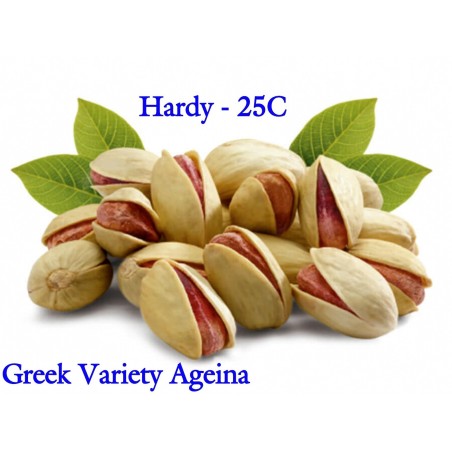
Nucile Aegina au o formă distinctă cordată îngust, miez verde și un procent ridicat de coji deschise natural. Cercetările pe arbori Aegina maturi au înregistrat aproximativ 78,5% nuci deschise natural și producții medii la intrarea pe rod deplin de circa 18 kg de nuci uscate per arbore în condițiile studiate.
Miez verde dulce și coji deschise natural
🌰 Miezul comestibil este adevărata recompensă a cultivării Pistacia vera. Aegina produce miez atractiv, verde până la alb-verzui, cu calitate excelentă pentru consum și un gust caracteristic de fistic.
Pe măsură ce nucile se maturizează, coaja se deschide natural. Aceasta este una dintre caracteristicile definitorii ale fisticului și face ca recolta matură să fie deosebit de atractivă pentru recoltare, prăjire și consum.
Rezistență excepțională la frig
❄️ Una dintre cele mai importante caracteristici pentru cultivatorii din afara regiunilor mediteraneene tradiționale este toleranța la frig a arborilor de fistic bine stabiliți. Pentru această ofertă Aegina, rezistența la frig a fost verificată până la aproximativ -20 până la -21°C, cu posibilitatea de a supraviețui unor temperaturi și mai scăzute în funcție de arborele individual și de condițiile de cultivare.
Răsadurile tinere trebuie totuși protejate de condițiile severe de iarnă până când se stabilesc bine. Arborii maturi sunt considerabil mai rezilienți, mai ales când sunt plantați într-un loc însorit, adăpostit, cu drenaj excelent.
Această combinație de toleranță la căldură extremă vara și rezistență impresionantă iarna face ca Aegina să fie un fistic deosebit de interesant pentru cultivatorii din climate continentale, unde verile sunt fierbinți, dar temperaturile de iarnă pot coborî ocazional mult sub zero.
Verile fierbinți sunt exact ceea ce îi place fisticului
☀️ Pistacia vera este adaptat în mod natural la regiuni cu veri fierbinți și uscate și ierni relativ reci. Aegina se dezvoltă cel mai bine în plin soare, cu drenaj excelent al solului.
Spre deosebire de mulți pomi fructiferi, fisticul nu apreciază solul permanent umed. Sistemul radicular are nevoie de o bună aerare, așa că evitați amplasamentele grele, îmbibate cu apă. O poziție însorită, cu sol bine drenat, este una dintre cele mai importante cerințe pentru succes pe termen lung.
Rețineți: fisticul are nevoie de arbori masculi și femele
🌳 Fisticul este o specie dioică, ceea ce înseamnă că florile masculine și feminine apar pe arbori separați. Un arbore femel nu poate produce o recoltă comercială de nuci fără polen compatibil de la un arbore mascul din apropiere.
Pentru producția în livadă, polenizatorii masculi sunt, prin urmare, esențiali. Cercetările științifice asupra livezilor grecești Aegina indică faptul că arborii masculi sunt menținuți în mod obișnuit la aproximativ 12% din populația de arbori femele, distribuiți strategic în livadă astfel încât polenul purtat de vânt să ajungă la florile feminine.
Acesta este unul dintre cele mai importante aspecte de înțeles atunci când creșteți fistic din Semințe: arborii obținuți din Semințe nu pot fi garantați ca fiind femele. Dacă obiectivul dvs. este producția comercială de nuci, planificați ambele sexe sau utilizați soiuri altoite, femele și masculi, cunoscute, odată ce puieții s-au dezvoltat suficient.
Cultivarea fisticului Aegina din Semințe
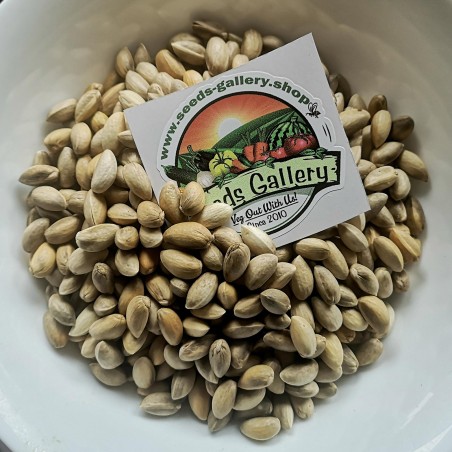
🌱 Semințele de fistic pot fi pornite în ghivece, tăvi de semănat sau straturi de pepinieră folosind un substrat bine drenat. Înmuierea Semințelor înainte de semănat poate ajuta la inițierea hidratării, iar o scarificare ușoară poate facilita pătrunderea apei prin învelișul seminței.
Semănați la aproximativ 2 până la 3 cm adâncime și mențineți substratul moderat umed. Evitați udarea excesivă și condițiile stagnante. Un loc cald și luminos este ideal pentru dezvoltarea inițială a răsadurilor.
După ce răsadurile s-au dezvoltat în plante tinere sănătoase, acestea pot fi aclimatizate treptat la condițiile exterioare. Fisticii tineri beneficiază de protecție în primele ierni, chiar dacă arborii bine stabiliți sunt considerabil mai toleranți la frig.
Plantare și îngrijire pe termen lung
🌿 Alegeți cea mai însorită și mai bine drenată zonă a grădinii pentru plantarea definitivă. Fisticii sunt arbori longevivi și trebuie să li se ofere suficient spațiu pentru a-și dezvolta coroana răsfirată.
Soare: Plin soare
Sol: Adânc, fertil și foarte bine drenat
Apă: Moderat după stabilire
Iarnă: Evitați excesul de umiditate în jurul rădăcinilor
Nutriție: Fertilizare echilibrată în funcție de sol și de necesitățile plantei
Tăiere: Formați arborii tineri și mențineți o structură productivă pe măsură ce se maturizează
Polenizare: Sunt necesari arbori masculi și femele pentru producția de fructe
Răbdarea aduce recompensa
🌳 Fisticul nu este o cultură pentru grădinari nerăbdători. Sunt arbori pereni longevivi care necesită mai mulți ani pentru a ajunge la o producție semnificativă. Cercetările asupra cultivarului Aegina arată că producția începe la aproximativ 6 până la 7 ani după altoire, iar producția deplină este atinsă mult mai târziu, pe măsură ce arborii se maturizează.
Arborii crescuți din Semințe pot dura mai mult, iar sexul lor final nu poate fi determinat din sămânță. Totuși, odată stabilit, un arbore de fistic sănătos poate rămâne productiv mulți ani și poate deveni o prezență permanentă în grădină sau livadă.
Aegina pentru grădini de acasă și livezi
🌰 Fie că doriți să experimentați cultivarea propriului fistic, fie să înființați o livadă productivă, Aegina este un soi fascinant de crescut. Combinația sa de origine grecească premium, miez verde atractiv, coji care se deschid natural, toleranță la căldură și toleranță excepțională la frig la arborii bine stabiliți îl face unul dintre cele mai interesante soiuri de fistic disponibile pentru grădinari.
Cu răbdare și o planificare corectă a polenizării, acești arbori pot oferi în cele din urmă propriul dvs. fistic cultivat acasă, pentru consum proaspăt, prăjire sau incorporare în deserturi și preparate sărate.
Detalii produs
Produs: Semințe de fistic soiul grec Aegina
Denumire botanică: Pistacia vera
Soi: Aegina
Origine: Grecia
Tip de arbore: Foios, arbore longeviv de nucifere
Port: Răsfirat
Flori: Unisexuate, mascul și femelă pe arbori separați
Nucă: Formă cordată îngust, cu coajă care se deschide natural
Culoare miez: Verde până la alb-verzui
Aromă: Dulce și caracteristică fisticului premium
Toleranță la frig: Arbori bine stabiliți verificați până la aproximativ -20 până la -21°C, cu toleranță potențial mai mare în funcție de condiții
Climat: Veri fierbinți și ierni reci
Soare: Plin soare
Sol: Bine drenat
Polenizare: Necesari arbori masculi și femele
Producție: Cultură perenă pe termen lung
Opțiuni pachet: 5, 10, 20, 50, 100 sau 500 Semințe
Semințe de fistic soiul grec Aegina, Semințe de fistic Aegina, Semințe de Pistacia vera, Semințe de fistic grecesc, Fistic grec Aegina, Fystiki Aeginas, Arbore de fistic Aegina, Semințe de fistic comestibil, Soi premium de fistic, Fistic rezistent la frig, Semințe de fistic pentru plantare, Cultivați fistic din Semințe, Arbore de fistic mediteranean, Arbore de fistic grecesc, Semințe pentru livadă de fistic, Soi de fistic rezistent.
CategorieAcasaReferințăV-187-G-5-SÎn stoc14714 Produse
Expediem in intreaga lume din Uniunea Europeana, folosind posta aeriana recomandata, cu confirmare prin semnatura la livrare.
📦Urmarirea comenzii tale Conectati-va la contul dvs. si navigati laIstoricul comenzilor > Detalii pentru a gasi numarul dvs. de urmarire.
Veti primi notificari prin e-mail pentru fiecare etapa a comenzii dumneavoastra. Daca nu vedeti aceste mesaje, verificati folderul Spam/mesaje nedorite sau contactati furnizorul dvs. de e-mail. Alternativ, cautati online cum sa deblocati e-mailurile expeditorilor.
SERVICIUL NOSTRU DE EMAIL FUNCTIONEAZA
Veti primi notificari prin e-mail pentru fiecare etapa a comenzii dvs. Daca nu vedeti aceste mesaje, verificati folderul Spam/mesaje nedorite sau contactati furnizorul dvs. de e-mail.
📧Cum sa te asiguri ca e-mailurile de la magazinul nostru online ajung intotdeauna in contul tau Gmailsau orice alt e-mailal furnizoruluiIn Inbox si nu sunt marcate ca spam sau blocate:
Adauga expeditorul in contactele Google sau ale oricarui alt furnizor de e-mail. Nu te putem ajuta daca setarile tale nu sunt astfel. Contacteaza furnizorul tau de e-mail pentru asistenta.
Pasul 1: Deschide Gmail si gaseste un e-mail de la noi xxxxxxxxxxxx@xxx.com Nu incercati sa ne trimiteti un e-mail direct la aceasta adresa; nu il vom primi. Orice contact se face exclusiv prin formularul de contact din magazinul nostru online! Daca nu gasiti e-mailul nostru, este posibil sa fi fost blocat. In acest caz, continuati cu Pasul 4 de mai jos.
Pasul 2: Puneti cursorul peste numele expeditorului sau adresa de e-mail din partea de sus a e-mailului.
Pasul 3: Faceti clic pe pictograma "Adauga la contacte" (mica pictograma cu o persoana).
Acest lucru va ajuta Gmail sa ne recunoasca ca expeditor de incredere, asigurandu-se ca e-mailurile noastre ajung direct in inboxul tau si nu in folderul de spam.
Creati un filtru pentru a preveni ca e-mailurile sa fie marcate ca spam sau blocate
Pasul 1: Deschide Gmail si da clic pe pictograma rotita din coltul din dreapta sus, apoi selecteaza "Vezi toate setarile".
Pasul 2: Accesati fila "Filtre si adrese blocate".
Pasul 3: Faceti clic pe "Creati un filtru nou".
Pasul 4: In campul "From", introduceti adresa de e-mail pe care doriti sa o adaugati pe lista alba (e.g., e-mailul magazinului nostru).
Pasul 5: Faceti clic pe "Creeaza filtru".
Pasul 6: In fereastra urmatoare, bifati caseta etichetata "Nu-l trimite niciodata in Spam".
Pasul 7: Faceti clic pe "Creeaza filtru" pentru a salva.
Acest lucru va asigura ca e-mailurile noastre ajung intotdeauna in inbox-ul tau si nu vor fi marcate ca spam sau blocate din greseala.
Urmareste-ti coletul prin:
Aftership
17Track
Posta.hr (pentru numere de urmarire precum RGxxxxxxHR)
⚠️Notificari importante
Plata la livrare esteNUDisponibil.
Furnizati intotdeauna un numar de telefon mobil valid cu codul tarii cand comandati (e.g., +365 456 7686 576).
Nu ordona sa P.O. Cutii, sau daca nu puteti fi acasa pentru a semna pentru colet, coletele nu pot fi lasate la vecini.
Daca un pachet trimis la P.O. Daca cutia este pierduta sau nedistribuita, nu se va emite nicio rambursare.
⚖️Responsabilitatea clientului privind conformitatea legala Clientul este responsabil sa se asigure ca produsul poate fi importat legal in tara sa, inclusiv prin respectarea tuturor reglementarilor de import, obtinerea permiselor necesare si plata taxelor vamale, impozitelor si a altor taxe aplicabile. Va rugam sa verificati legislatia locala inainte de a comanda pentru a evita orice probleme cu vama sau livrarea.
📦Pachete Pierdute, Returnate & Reexpediate
Clienti din Brazilia si Mexic:Nu putem rambursa coletele pierdute sau distruse de catre autoritatile vamale.
Daca coletul dumneavoastra este returnat, va vom rambursa doar costul produsului — costurile de livrare nu sunt rambursabile.
Costul expedierii de retur (2 €) si orice costuri de reexpediere trebuie acoperite de client.
Daca un pachet ne este returnat din orice motiv, sunteti responsabil pentru plata transportului de retur (€2) plus costul reexpedierii pachetului.
🚚Livrare colet Trimiterile inregistrate necesita o semnatura.
Daca urmarirea arata ca pachetul este inca la oficiul postal de expediere, acesta este in tranzit — contactati oficiul postal local pentru actualizari.
Din pacate, nici noi, nici serviciul postal prin care a fost expediata comanda dumneavoastra nu va putem ajuta sa aflati unde se afla aceasta. Cand vedeti ca pachetul este in tara dumneavoastra,TREBUIE sa contactati oficiul postal cu numarul de urmarire.si discutati problema cu ei. Trimitem toate comenzile prin posta oficiala de stat.
Nu suntem responsabili pentru termenele de livrare si nu putem urmari expedierile in numele dumneavoastra.
📅Optiuni de livrare & timpi estimati
Optiune de livrare
Timp de procesare
Notite
Livrare Prioritara
Se expediaza in 1–7 zile lucratoare
Acorda prioritate procesarii comenzilor (nu garanteaza o livrare mai rapida); pot aparea intarzieri in timpul sarbatorilor (3–10 zile)
Livrare securizata
Se expediaza in 1–7 zile lucratoare
Disponibil pentru comenzi de pana la 150 €; rambursare in caz de pierdere
Livrare standard
Se expediaza in 7–10 zile lucratoare
Mai economic; pot aparea intarzieri in perioada sarbatorilor (7–14 zile)
Timp estimat de livrare:
In UE:3–20 zile
La nivel mondial:5–30 zile
Exemple din SUA:Livrat in 13, 17, 19, 22, sau 27 de zile.
Nota:Timpul de livrare depinde de locatia dvs. si de sistemul postal local. COVID-19 sau perioadele de sarbatori pot provoca intarzieri suplimentare.
💰Costuri de livrare Taxele de expediere si manipulare sunt calculate automat la finalizarea comenzii, in functie de greutatea coletului si de destinatie.
⏰Ore de procesare a comenzilor Nu procesam si nu expediem comenzile in zilele de sambata si duminica.
💳Optiuni de plata
Transfer bancar (SEPA / IBAN / SWIFT-BIC) Includeti referinta comenzii dvs. in descrierea platii (e.g., "SGS-19811702"). Comenzile care nu sunt platite in termen de 7 zile vor fi anulate automat.
PayPal Platile sunt acceptate numai in euro. Va rugam sa selectati euro la finalizarea comenzii.
Plata cu cardul Acceptam Visa, MasterCard, American Express, CB, Diners Club, Discover, China UnionPay, JCB, si Discover.
⚠️Taxe de tranzactie Clientii sunt responsabili pentru orice comisioane de tranzactie bancare sau PayPal. Va rugam sa va asigurati ca detaliile de plata sunt corecte pentru o procesare mai rapida a comenzii.
📢Note finale Inainte de a plasa comanda, verificati intotdeauna site-ul nostru pentru anunturi speciale, programul din perioada sarbatorilor sau conditii specifice de livrare care ar putea afecta achizitia dumneavoastra.
Notificare importanta: Facturi digitale
Pentru a contribui la reducerea risipei de hartie, nu includem o factura tiparita impreuna cu comanda dvs. Puteti descarca si imprima cu usurinta factura dvs. in orice moment accesand contul dvs.Istoric comenzi in profilul contului tau