110 days. One of the varieties grown during the 1800s was the African peanut (also known as the N. Carolina peanut). It may have been a black peanut, possibly the same as ‘Carolina Black.’ According to food
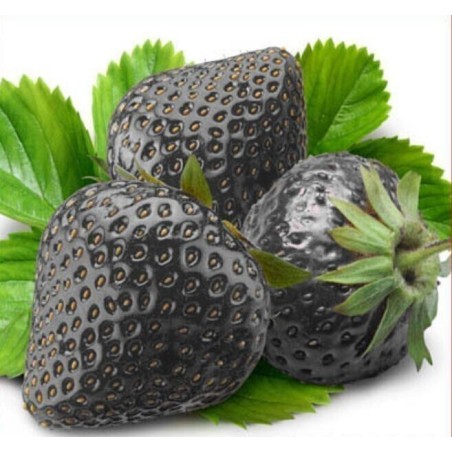
110 days.One of the varieties grown during the 1800s was the African peanut (also known as the N. Carolina peanut). It may have been a black peanut, possibly the same as ‘Carolina Black.’ According to food historian William Woys Weaver, the black peanut may have been used as a substitute for Black Bambarra (African ground nut) by the black community. Black Bambarra is important in African folk medicine as an aphrodisiac. The N. Carolina climate won’t support black Bambarra, but black pea- nuts grow there without difficulty. Carolina Black produces sweet-tasting, black-skinned peanuts that are slightly larger than Spanish peanuts.
The peanut, or groundnut (Arachis hypogaea), is a species in the legume or "bean" family (Fabaceae). The peanut was probably first domesticated and cultivated in the valleys of Paraguay.[1] It is an annual herbaceous plant growing 30 to 50 cm (1.0 to 1.6 ft) tall. The leaves are opposite, pinnate with four leaflets (two opposite pairs; no terminal leaflet), each leaflet is 1 to 7 cm (⅜ to 2¾ in) long and 1 to 3 cm (⅜ to 1 inch) broad.
The flowers are a typical pea flower in shape, 2 to 4 cm (0.8 to 1.6 in) (¾ to 1½ in) across, yellow with reddish veining. Hypogaea means "under the earth"; after pollination, the flower stalk elongates causing it to bend until the ovary touches the ground. Continued stalk growth then pushes the ovary underground where the mature fruit develops into a legume pod, the peanut – a classical example of geocarpy. Pods are 3 to 7 cm (1.2 to 2.8 in) long, containing 1 to 4 seeds.[2]
Peanuts are known by many other local names such as earthnuts, ground nuts, goober peas, monkey nuts, pygmy nuts and pig nuts.[3] Despite its name and appearance, the peanut is not a nut, but rather a legume.
Cultivation
The orange-veined, yellow-petaled, pea-like flower of the Arachis hypogaea is borne in axillary clusters above ground. Following self-pollination, the flowers fade and wither. The stalk at the base of the ovary, called the pedicel, elongates rapidly, and turns downward to bury the fruits several inches in the ground, where they complete their development. The entire plant, including most of the roots, is removed from the soil during harvesting.[8] The fruits have wrinkled shells that are constricted between pairs of the one to four (usually two) seeds per pod.
Peanuts grow best in light, sandy loam soil. They require five months of warm weather, and an annual rainfall of 500 to 1,000 mm (20 to 39 in) or the equivalent in irrigation water.[9]
The pods ripen 120 to 150 days after the seeds are planted. If the crop is harvested too early, the pods will be unripe. If they are harvested late, the pods will snap off at the stalk, and will remain in the soil.[8] They need an acidic soil to grow preferably with 5.9-7 pH.
Peanuts are particularly susceptible to contamination during growth and storage. Poor storage of peanuts can lead to an infection by the mold fungus Aspergillus flavus, releasing the toxic and highly carcinogenic substance aflatoxin. The aflatoxin-producing molds exist throughout the peanut growing areas and may produce aflatoxin in peanuts when conditions are favorable to fungal growth.
Harvesting occurs in two stages[citation needed]: In mechanized systems, a machine is used to cut off the main root of the peanut plant by cutting through the soil just below the level of the peanut pods. The machine lifts the "bush" from the ground and shakes it, then inverts the bush, leaving the plant upside down on the ground to keep the peanuts out of the soil. This allows the peanuts to dry slowly to a bit less than a third of their original moisture level over a period of three to four days. Traditionally, peanuts were pulled and inverted by hand.
After the peanuts have dried sufficiently, they are threshed, removing the peanut pods from the rest of the bush.
Uses
Peanuts have many uses. They can be eaten raw, used in recipes, made into solvents and oils, medicines, textile materials, and peanut butter, as well as many other uses. Popular confections made from peanuts include salted peanuts, peanut butter (sandwiches, peanut candy bars, peanut butter cookies, and cups), peanut brittle, and shelled nuts (plain/roasted). Salted peanuts are usually roasted in oil and packed in retail-size plastic bags or hermetically sealed cans. Dry roasted salted peanuts are also marketed in significant quantities. Peanuts are often a major ingredient in mixed nuts because of their relative cost compared to Brazil nuts, cashews, walnuts, and so on. Although peanut butter has been a tradition on camping trips and the like because of its high protein content and because it resists spoiling for long periods of time, the primary use of peanut butter is in the home. Large quantities are also used in the commercial manufacture of sandwiches, candy, and bakery products. Boiled peanuts are a preparation of raw, unshelled green peanuts boiled in brine and often eaten as a snack. More recently, fried peanut recipes have emerged – allowing both shell and nut to be eaten. Peanuts are also used in a wide variety of other areas, such as cosmetics, nitroglycerin, plastics, dyes and paints.
Peanut oil
Peanut oil is often used in cooking because it has a mild flavor and a relatively high smoke point. Due to its high monounsaturated content, it is considered more healthy than saturated oils and is resistant to rancidity. There are several types of peanut oil including aromatic roasted peanut oil, refined peanut oil, extra virgin or cold-pressed peanut oil and peanut extract. In the United States, refined peanut oil is exempt from allergen labeling laws.
Peanut flour
Peanut flour is lower in fat than peanut butter and is popular with chefs because its high protein content makes it suitable as a flavor enhancer[citation needed]. Peanut flour is used as a gluten-free solution.
Boiled peanuts
Boiled peanuts are a popular snack in the southern United States, as well as in India, China and West Africa.
Dry roasted peanuts
Dry peanuts can be roasted in the shell in a home oven if spread out one layer deep in a pan and baked at a temperature of 350°F or 177°C for 18–20 minutes.
Cuisine
South America
Peanuts are used in many sauces for South American meat dishes, especially rabbit. Peanuts are common in Peruvian cuisine, which marries native and European ingredients. For instance, roasted peanuts and hot peppers, both native to South America, appear with roasted onions, garlic, and oil—all of European origin—in a smooth sauce poured over boiled potatoes, a dish well known in the city Arequipa and called papas con ocopa. Another example is a fricassee combining a similar mixture with sautéed seafood or boiled and shredded chicken. These dishes are generally known as ajíes, meaning "hot peppers", such as ají de pollo and ají de mariscos. (Seafood ajíes may omit peanuts.)
Likewise, during Colonial times, the Spanish in Peru used peanuts to replace nuts unavailable in Peru but used extensively in Spanish cuisine, such as almonds, pine nuts, and other nuts, typically ground or as paste and mixed with rice, meats, and vegetables for dishes such as rice pilaf.
Southwest Asia
Crunchy coated peanuts, called kabukim in Hebrew, are a popular snack in Israel. Kabukim are commonly sold by weight at corner stores where fresh nuts and seeds are sold, though they are also available packaged. The coating typically consists of flour, salt, starch, lecithin, and sometimes sesame seeds. The origin of the name is obscure.(It may be derived from kabuk which means nutshell or husk in Turkish.) An additional variety of crunchy coated peanuts popular in Israel is "American peanuts". The coating of this variety is thinner, but harder to crack.
Another popular Israeli peanut snack, Bamba puffs, is similar in shape to Cheez Doodles, but are made of corn and flavored with peanut butter.
Southeast Asia
Peanuts are also widely used in Southeast Asian cuisine, particularly Indonesia, where they are typically made into a spicy sauce. Peanuts originally came to Indonesia from the Philippines, where the legume came from Mexico in times of Spanish colonization.
Common Indonesian peanut-based dishes include gado-gado, pecel, karedok and ketoprak, all vegetable salads mixed with peanut sauce, and the peanut-based sauce for satay.
In the Indian subcontinent, peanuts are known as a light snack by themselves, usually roasted and salted (sometimes with the addition of chilli powder), and often sold roasted in pod, or boiled with salt. They are also made into little dessert or sweet snack pieces by processing with refined sugar and jaggery. Indian cuisine uses roasted, crushed peanuts to give a crunchy body to salads; they are added whole (without pods) to leafy vegetable stews for the same reason. Another use of peanut oil as cooking oil. Most Indians use mustard, sunflower, and peanut oil for cooking. Peanuts are not native to India. They are thought to have come to India from Philippines. Notably, the name of this nut in northern parts of Tamil Nadu is 'மணிலாக் கொட்டை'- slang மல்லாக் கொட்டை- (Manila-k-kottai) means nut from Manila, the capital city of Philippines.
West Africa
Peanuts grow well in southern Mali and adjacent regions of the Ivory Coast, Burkina Faso, Ghana, Nigeria and Senegal; peanuts are similar in both agricultural and culinary qualities to the Bambara groundnut native to the region, and West Africans have adopted the crop as a staple. Peanut sauce, prepared with onions, garlic, peanut butter/paste, and vegetables such as carrots, cabbage, and cauliflower, can be vegetarian (the peanuts supplying ample protein) or prepared with meat, usually chicken.
Peanuts are used in the Mali meat stew maafe. In Ghana, peanut butter is used for peanut butter soup nkate nkwan.[13] Crushed peanuts may also be used for peanut candies nkate cake and kuli-kuli, as well as other local foods such as oto.[13] Peanut butter is also an ingredient in Nigeria's "African salad".
Peanut powder is an important ingredient in the spicy coating for kebabs in Nigeria and Ghana.
East Africa
Peanuts are a common ingredient of several types of relishes (dishes which accompany nshima) eaten by the tribes in Malawi and in the eastern part of Zambia, and these dishes are now common throughout both countries. Thick peanut butter sauces are also made in Uganda to go with rice and other starchy foods. Across East Africa, roasted peanuts (often in cones of newspaper) are a popular snack sold in the street.
North America
In the US, peanuts are used in candies, cakes, cookies, and other sweets. They are also enjoyed roasted and salted. Peanut butter is one of the most popular peanut-based foods in the US, and for four hundred years, recipes for peanut soup have been present in the South, Virginia in particular. In some southern portions of the US, peanuts are boiled for several hours until soft and moist. Peanuts are also deep-fried, shell and all.
Malnutrition
Peanuts are used to help fight malnutrition. Plumpy Nut, MANA Nutrition,[14] and Medika Mamba[15] are high-protein, high-energy and high-nutrient peanut-based pastes developed to be used as a therapeutic food to aid in famine relief. The World Health Organization, UNICEF, Project Peanut Butter and Doctors Without Borders have used these products to help save malnourished children in developing countries.
Other uses
Peanuts can be used like other legumes and grains to make a lactose-free milk-like beverage, peanut milk. Peanut plant tops are used for hay.
Low-grade or culled peanuts not suitable for the edible market are used in the production of peanut oil for manufacturing.[citation needed] The protein cake (oilcake meal) residue from oil processing is used as an animal feed and as a soil fertilizer. Low-grade peanuts are also widely sold as a garden birds feed.
Peanuts have a variety of industrial end uses. Paint, varnish, lubricating oil, leather dressings, furniture polish, insecticides, and nitroglycerin are made from peanut oil. Soap is made from saponified oil, and many cosmetics contain peanut oil and its derivatives. The protein portion is used in the manufacture of some textile fibers. Peanut shells are used in the manufacture of plastic, wallboard, abrasives, fuel, cellulose (used in rayon and paper) and mucilage (glue). Rudolf Diesel ran some of the first engines that bear his name on peanut oil[16] and it is still seen as a potentially useful fuel.
Plant Common Name: Peanut seeds
Plant Genus/Species Name: Arachis hypogaea
Sowing Temperature: 16 - 26 Celcius
Growing Temperature: 8 - 38 Celcius
Days to Maturity: 60-80 Days
How to Sow Peanut
Peanuts need a long, hot growing season to fully mature. Do not plant in areas that do not have at least 4-5 months of frost-free weather. Shell the seeds before sowing. In loose, well-drained soil in a sunny location, sow seeds directly outdoors after the last frost. Plant in light deeply dug and prepared alkaline soil. Create a furrow 2" deep and sow seeds 4-6" apart, being careful not to damage the tender seeds. Space rows 3' apart. Seeds germinate in 10-15 days.
We verzenden wereldwijd vanuit de Europese Unie per aangetekende luchtpost met handtekeningbevestiging bij bezorging.
📦Uw bestelling volgen Log in op je account en navigeer naarBestelgeschiedenis > Details om uw trackingnummer te vinden.
Je ontvangt e-mailmeldingen voor elke fase van je bestelling. Als je deze berichten niet ziet, controleer dan je map Spam/Ongewenste e-mail of neem contact op met je e-mailprovider. Als alternatief kun je online zoeken naar hoe je e-mails van een afzender kunt deblokkeren.
ONZE E-MAILDIENST WERKT
U ontvangt e-mailmeldingen voor elke fase van uw bestelling. Als u deze berichten niet ziet, controleer dan uw map Spam/Ongewenste e-mail of neem contact op met uw e-mailprovider.
📧Hoe u ervoor zorgt dat e-mails van onze webshop altijd in uw Gmail terechtkomenof een andere e-mailvan de providerIn de inbox en niet als spam gemarkeerd of geblokkeerd:
Voeg de Afzender toe aan de contacten van uw Google-account of van een andere e-mailprovider. We kunnen u niet helpen als uw instellingen er niet zo uitzien. Neem contact op met uw e-mailprovider voor hulp.
Stap 1: Open Gmail en zoek een e-mail van ons xxxxxxxxxxxx@xxx.com Probeer ons niet rechtstreeks een e-mail naar dit adres te sturen; we zullen die niet ontvangen. Elk contact verloopt uitsluitend via het contactformulier in onze online shop! Als je onze e-mail niet kunt vinden, is deze mogelijk geblokkeerd. Ga in dat geval verder met Stap 4 hieronder.
Stap 2: Beweeg de muisaanwijzer over de naam van de afzender of het e-mailadres bovenaan de e-mail.
Stap 3Klik op het pictogram "Toevoegen aan contacten" (het pictogram van een klein persoonnetje).
Dit helpt Gmail ons te herkennen als een vertrouwde afzender, zodat onze e-mails rechtstreeks in je inbox terechtkomen en niet in de spam.
Maak een filter om te voorkomen dat e-mails als spam worden gemarkeerd of geblokkeerd
Stap 1: Open Gmail en klik op het tandwielpictogram rechtsboven, selecteer vervolgens "Alle instellingen bekijken".
Stap 2: Ga naar het tabblad "Filters en geblokkeerde adressen".
Stap 3: Klik op "Maak een nieuw filter aan".
Stap 4: Voer in het veld "From" het e-mailadres in dat u op de witte lijst wilt zetten (e.g., het e-mailadres van onze winkel).
Stap 5: Klik op "Filter maken".
Stap 6: Vink in het volgende venster het vakje met het label "Nooit naar Spam sturen" aan.
Stap 7: Klik op "Filter maken" om op te slaan.
Dit zorgt ervoor dat onze e-mails altijd in uw inbox terechtkomen en niet per ongeluk als spam worden gemarkeerd of geblokkeerd.
Volg uw pakket via:
Aftership
17Track
Posta.hr (voor trackingnummers zoals RGxxxxxxHR)
⚠️Belangrijke mededelingen
Contant bij aflevering isNIETBeschikbaar.
Geef bij het bestellen altijd een geldig mobiel nummer met landcode op (e.g., +365 456 7686 576).
Beveel niet om P.O. Dozen, of als u niet thuis kunt zijn om voor het pakket te tekenen, mogen pakketten niet bij buren worden achtergelaten.
Als een pakket gestuurd naar een P.O. Als de doos verloren is gegaan of niet is afgeleverd, wordt er geen terugbetaling verleend.
⚖️Verantwoordelijkheid van de klant voor naleving van wet- en regelgeving De klant is verantwoordelijk ervoor te zorgen dat het product legaal in hun land kan worden geïmporteerd, inclusief het naleven van alle importvoorschriften, het verkrijgen van de benodigde vergunningen en het betalen van toepasselijke douaneheffingen, belastingen en andere kosten. Controleer alstublieft uw lokale wetgeving voordat u bestelt om eventuele problemen met de douane of levering te voorkomen.
📦Verloren, Geretourneerde & Opnieuw Verzonden Pakketten
Brazilië & Mexico Klanten:We kunnen geen restitutie geven voor pakketten die door de douane verloren zijn gegaan of vernietigd zijn.
Als uw pakket wordt geretourneerd, zullen wij alleen de productkosten terugbetalen — verzendkosten zijn niet restitueerbaar.
Retourporto (€2) en eventuele kosten voor herverzending moeten door de klant worden betaald.
Als een pakket om welke reden dan ook naar ons wordt teruggestuurd, bent u verantwoordelijk voor het betalen van de retourverzendkosten (€2) plus de kosten om het pakket opnieuw te verzenden.
🚚Levering van zending Aangetekende zendingen vereisen een handtekening.
Als uw tracking aangeeft dat het pakket nog bij het postkantoor van vertrek is, is het onderweg — neem contact op met uw plaatselijke postkantoor voor updates.
Helaas kunnen noch wij, noch het postkantoor waarmee je bestelling is verzonden, je helpen met de vraag waar je bestelling is. Wanneer je ziet dat je pakket in je land is,je MOET contact opnemen met je postkantoor met het track & trace-nummerEn bespreek de zaak met hen. Wij verzenden alle bestellingen per officiële staatspost.
Wij zijn niet verantwoordelijk voor levertijden en kunnen zendingen niet voor u volgen.
📅Bezorgopties & Geschatte Tijden
Bezorgoptie
Verwerkingstijd
Notities
Prioritaire levering
Wordt verzonden binnen 1–7 werkdagen
Prioriteert orderverwerking (geen gegarandeerd snellere levering); vertragingen mogelijk tijdens feestdagen (3–10 dagen)
Beveiligde Levering
Wordt verzonden binnen 1–7 werkdagen
Beschikbaar voor bestellingen tot €150; terugbetaling bij verlies
Standaard levering
Verzending binnen 7–10 werkdagen
Goedkoper; tijdens feestdagen kunnen vertragingen optreden (7–14 dagen)
Geschatte levertijd:
Binnen de EU: 3–20 dagen
Wereldwijd: 5–30 dagen
Voorbeelden uit de VS:Geleverd in 13, 17, 19, 22, of 27 dagen.
Opmerking:De levertijden zijn afhankelijk van uw locatie en de lokale postdienst. COVID-19 of de feestdagen kunnen extra vertragingen veroorzaken.
💰Verzendkosten Verzend- en afhandelingskosten worden automatisch berekend bij het afrekenen op basis van het gewicht van het pakket en de bestemming.
⏰Verwerkingstijden voor bestellingen We verwerken of verzenden geen bestellingen op zaterdag of zondag.
💳 Betaalopties
Bankoverschrijving (SEPA / IBAN / SWIFT-BIC) Vermeld uw bestelreferentie in de betalingsomschrijving (e.g., "SGS-19811702"). Bestellingen zonder betaling binnen 7 dagen worden automatisch geannuleerd.
PayPal Betalingen worden alleen in euro's geaccepteerd. Selecteer alstublieft euro's tijdens het afrekenen.
Kaartbetaling We accepteren Visa, MasterCard, American Express, CB, Diners Club, Discover, China UnionPay, JCB, en Discover.
⚠️Transactiekosten Klanten zijn verantwoordelijk voor eventuele bank- of PayPal-transactiekosten. Zorg alstublieft dat de betalingsgegevens correct zijn voor een snellere verwerking van uw bestelling.
📢Slotopmerkingen Controleer voor het plaatsen van uw bestelling altijd onze website op speciale mededelingen, bezorgschema's tijdens feestdagen of specifieke verzendvoorwaarden die uw aankoop kunnen beïnvloeden.
Belangrijke mededeling: Digitale facturen
Om papierafval te verminderen voegen we geen papieren factuur bij je bestelling. Je kunt je factuur op elk gewenst moment eenvoudig downloaden en afdrukken door je Bestelgeschiedenis in je accountprofiel