African Oil Palm Seeds (Elaeis guineensis)

cikkszám PS-10-(1-S)Kategória Kezdőlap
Ár: 4,95 €
Adóval együtt

African Oil Palm Seeds (Elaeis guineensis)

Price for Package of 1 seed.

Elaeis guineensis is a species of palm commonly called African oil palm or macaw-fat. It is the principal source of palm oil. It is native to west and southwest Africa, specifically the area between Angola and

Nincs-készleten
Magok csomagban:
Megosztás a(z)

African Oil Palm Seeds (Elaeis guineensis)

Price for Package of 1 seed.

Elaeis guineensis is a species of palm commonly called African oil palm or macaw-fat. It is the principal source of palm oil. It is native to west and southwest Africa, specifically the area between Angola and the Gambia; the species name guineensis refers to the name for the area, Guinea, and not the modern country which now bears that name. The species is also now naturalised in Madagascar, Sri Lanka, Malaysia, Indonesia, Central America, the West Indies and several islands in the Indian and Pacific Oceans. The closely related American oil palm Elaeis oleifera and a more distantly related palm, Attalea maripa, are also used to produce palm oil.

Human use of oil palms may date as far back as 5,000 years in West Africa; in the late 1800s, archaeologists discovered palm oil in a tomb at Abydos dating back to 3,000 BCE. It is thought that Arab traders brought the oil palm to Egypt.

The first western person to describe it and bring back seeds was the French naturalist Michel Adanson.

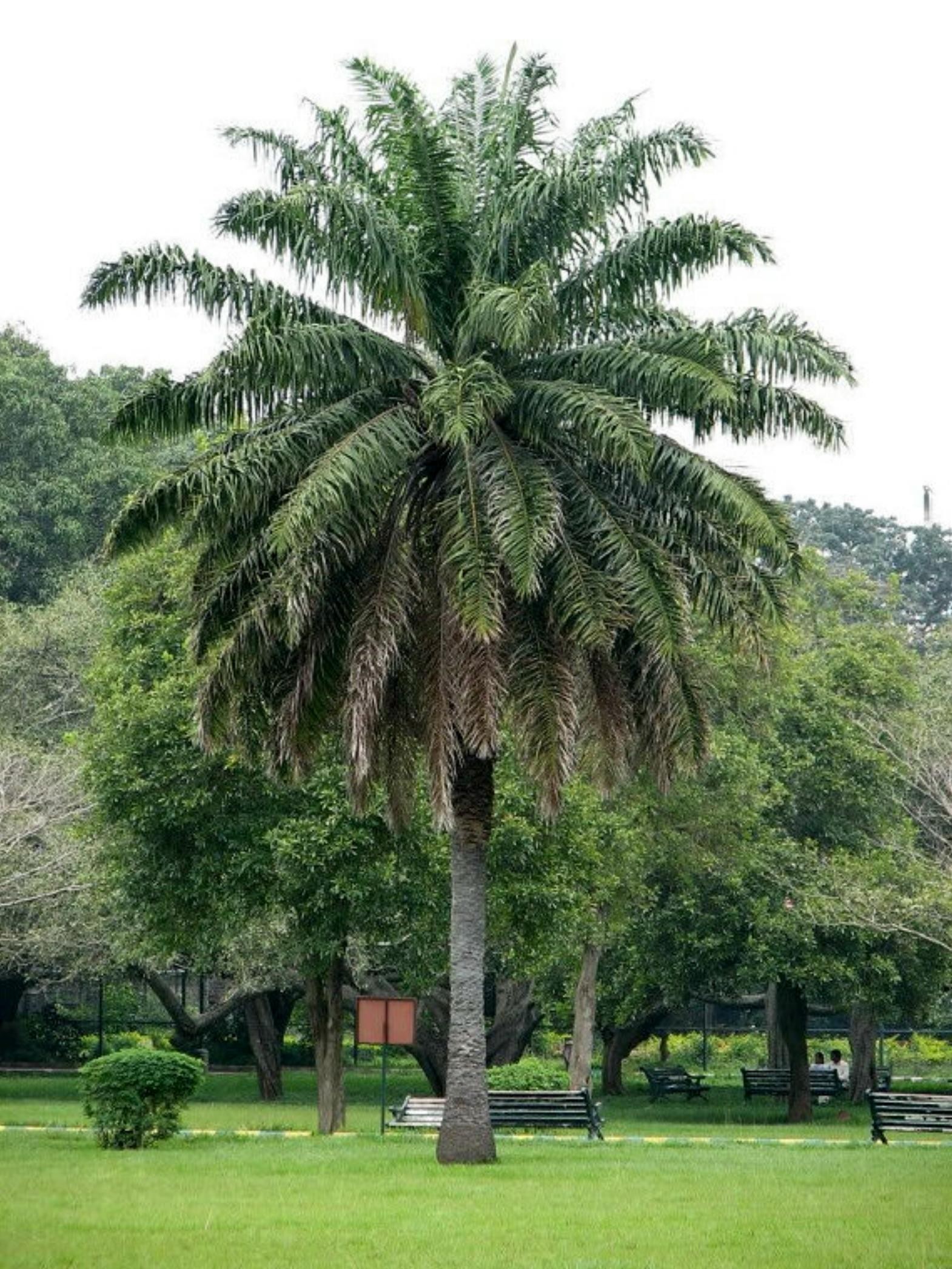
Mature palms are single-stemmed and grow to 20 m tall. The leaves are pinnate and reach between 3-5 m long. A young palm produces about 30 leaves a year. Established palms over 10 years produce about 20 leaves a year. The flowers are produced in dense clusters; each individual flower is small, with three sepals and three petals.

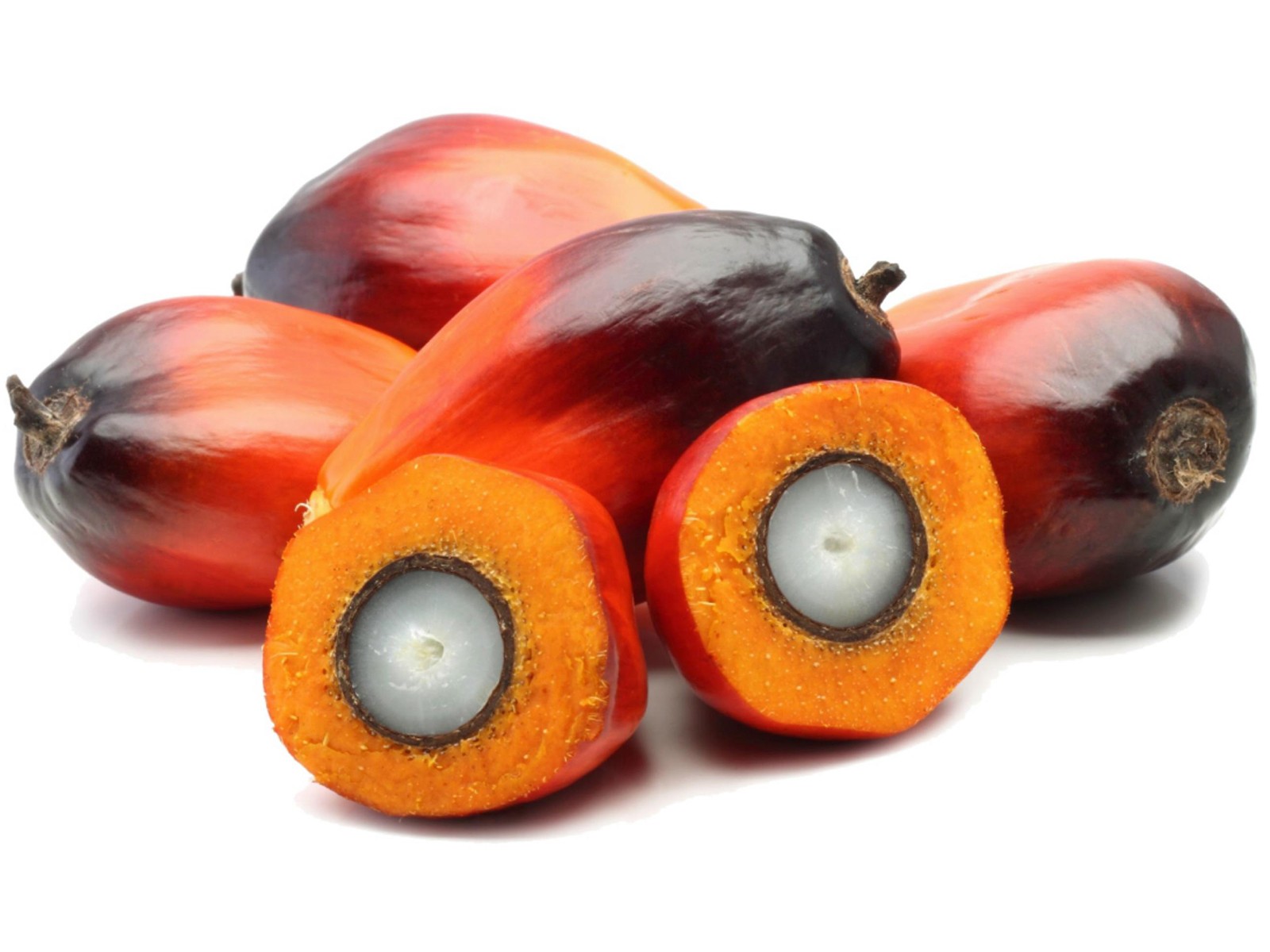
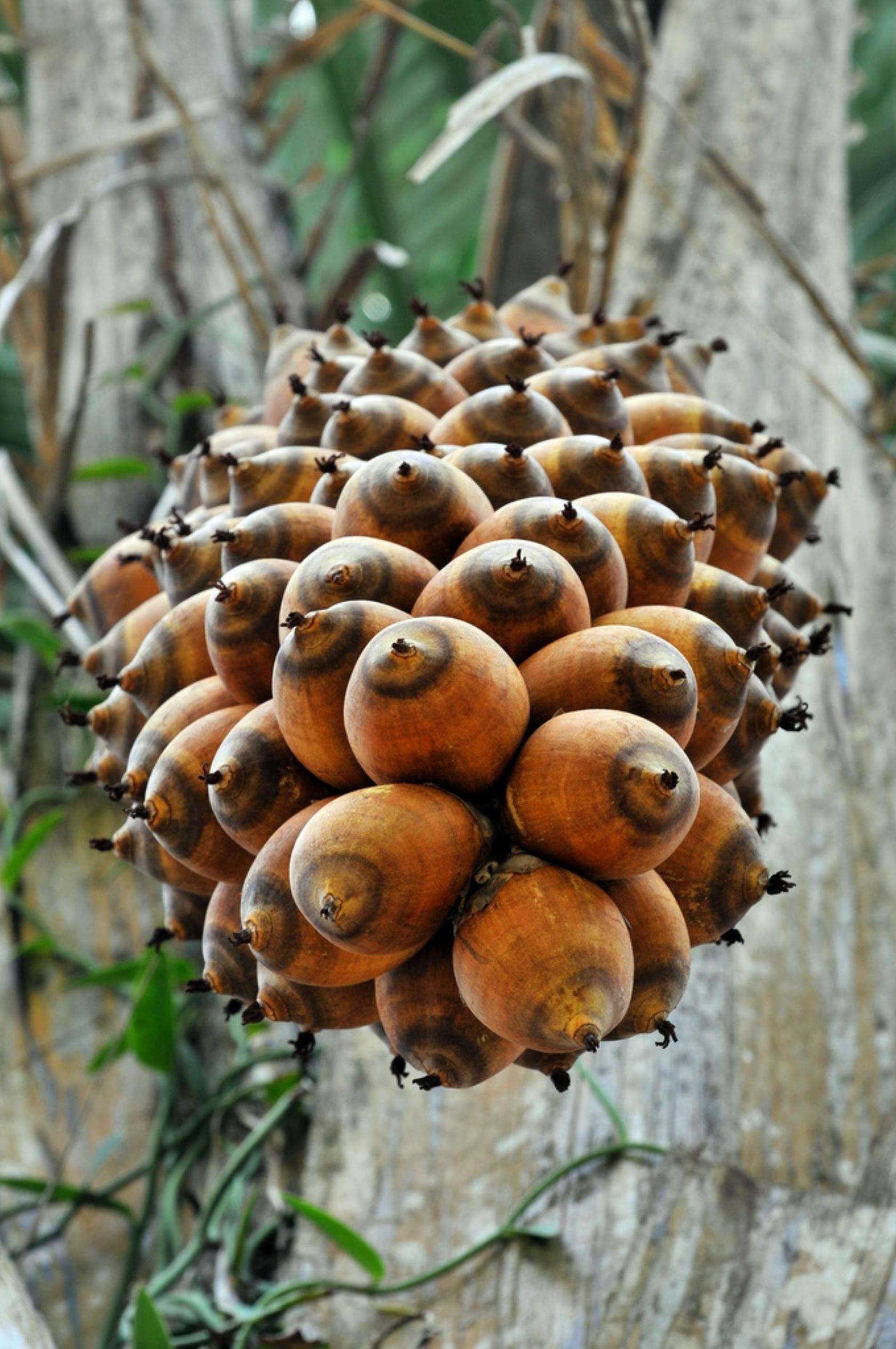
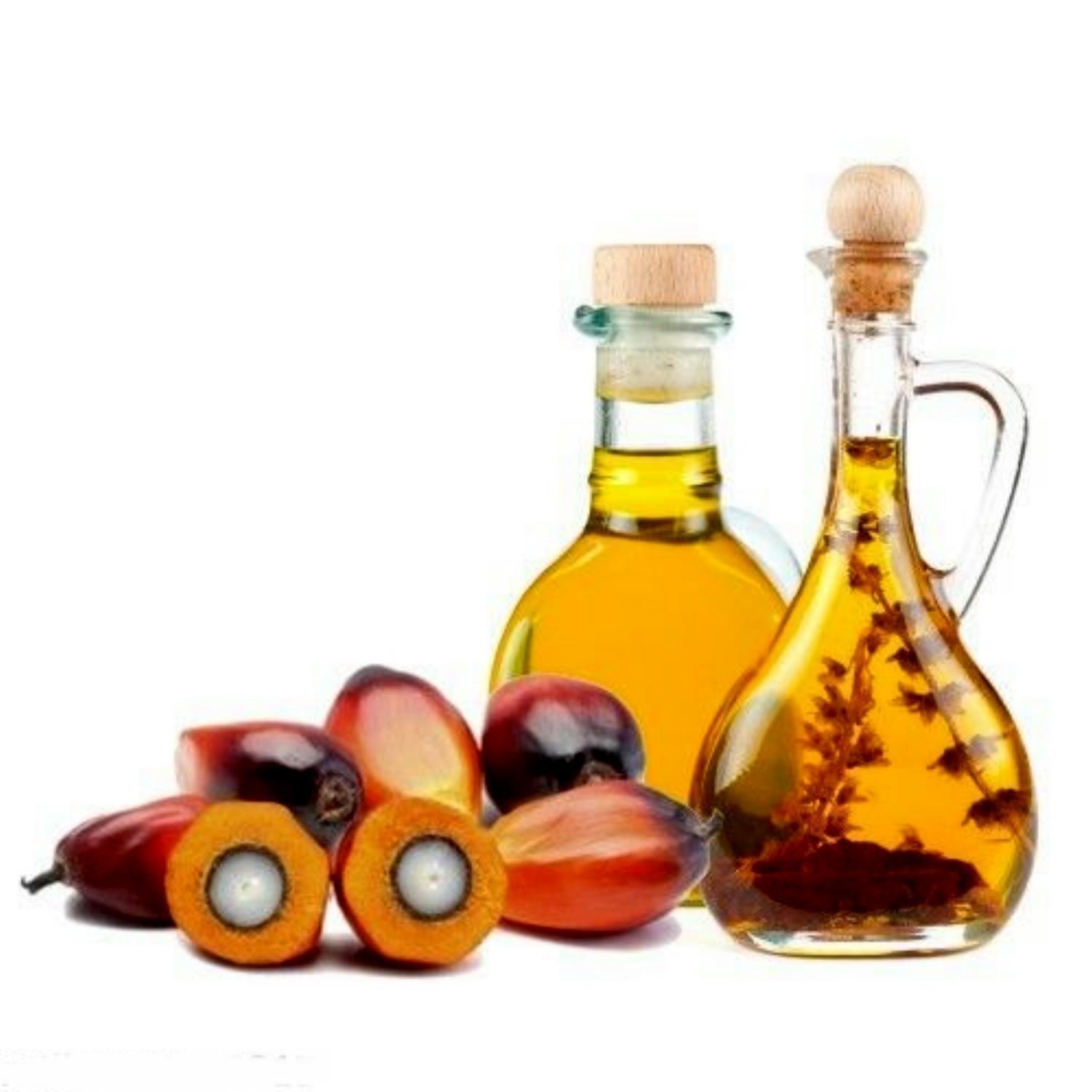
The palm fruit takes five to six months to mature from pollination to maturity. It is reddish, about the size of a large plum, and grows in large bunches. Each fruit is made up of an oily, fleshy outer layer (the pericarp), with a single seed (the palm kernel), also rich in oil. When ripe, each bunch of fruit weighs between 5–30 kg (11–66 lb) depending on the age of the palm tree.

Planting

For each hectare of oil palm, which is harvested year-round, the annual production averages 20 tonnes of fruit yielding 4,000 kg of palm oil and 750 kg of seed kernels yielding 500 kg of high quality palm kernel oil, as well as 600 kg of kernel meal. Kernel meal are processed for use as livestock feed.

All modern, commercial planting material consists of tenera palms or DxP hybrids, which are obtained by crossing thickshelled dura with shell-less pisifera. Although common commercial germinated seed is as thick-shelled as the dura mother palm, the resulting palm will produce thin-shelled tenera fruit. An alternative to germinated seed, once constraints to mass production are overcome, are tissue-cultured or "clonal" palms, which provide "true copies" of high-yielding DxP palms.

An oil palm nursery must have an uninterrupted supply of clean water and topsoil which is both well-structured and sufficiently deep to accommodate three rounds of on-site bag-filling. Approximately 35 ha can grow enough seedlings over a three-year period to plant a 5,000-ha plantation. Prenursery seedlings must be watered daily. Whenever rainfall is less than 10 mm per day, irrigation is required, and the system must be capable of uniformly applying 6.5 mm water per day.

Prenursery seedlings in the four-leaf stage of development (10 to 14 weeks after planting) are usually transplanted to the main nursery after their gradual adjustment to full sunlight and a rigid selection process. During culling, seedlings that have grassy, crinkled, twisted, or rolled leaves are discarded.

Weeds growing in the polybags must be carefully pulled out. Herbicides should not be used. Numerous insects (ants, armyworms, bagworms, aphids, thrips, mites, grasshoppers, and mealybugs) and vertebrates (rats, squirrels, porcupines, wild boar, and monkeys) are pests in oil palm nurseries and must be carefully identified before control measures are implemented.

After eight months in the nursery, normal healthy plants should be 0.8–1 m in height and display five to eight functional leaves.

The proper approach to oil palm development begins with the establishment of leguminous cover plants, immediately following land clearing. They help prevent soil erosion and surface run-off, improve soil structure and palm root development, increase the response to mineral fertilizer in later years, and reduce the danger of micronutrient deficiencies. Leguminous cover plants also help prevent outbreaks of Oryctes beetles, which nest in exposed decomposing vegetation. Both phosphorus and potassium fertilizers are needed to maximize the leguminous cover plants' symbiotic nitrogen-fixation potential of approximately 200 kg nitrogen/ha/yr, and are applied to most soils at 115 to 300 kg phosphorus oxide/ha and 35 to 60 kg potassium oxide/ha. Young palms are severely set back where grasses are allowed to dominate the inter-row vegetation, particularly on poor soils where the correction of nutrient deficiencies is difficult and costly.

Crop nutrient

Nutrient uptake is low during the first year but increases steeply between year one and year three (when harvesting commences) and stabilizes around years five to six. Early applications of fertilizer, better planting material, and more rigid culling have led to a dramatic increase in early yields in the third to sixth years from time of planting. In regions without a significant drop in rainfall, yields of over 25 tonnes of fresh fruit bunches per hectare have been achieved in the second year of harvesting.

Nitrogen deficiency is usually associated with conditions of water-logging, heavy weed infestation, and topsoil erosion. Symptoms are a general paling and stiffening of the pinnae, which lose their glossy lustre. Extended deficiency will reduce the number of effective fruit bunches produced, as well as the bunch size.

Phosphorus-deficient leaves do not show specific symptoms, but frond length, bunch size, and trunk diameter are all reduced.

Potassium deficiency is very common and is the major yield constraint in sandy or peaty soils. The most frequent symptom is "confluent orange spotting". Pale green spots appear on the pinnae of older leaves; as the deficiency intensifies, the spots turn orange or reddish-orange and desiccation sets in, starting from the tips and outer margins of the pinnae. Other symptoms are "orange blotch" and "midcrown yellowing". In soils having a low water-holding capacity (sands and peats), potassium deficiency can lead to a rapid, premature desiccation of fronds.

Copper deficiency is common on deep peat soils and occurs also on very sandy soils. It appears initially as whitish-yellow mottling of younger fronds. As the deficiency intensifies, yellow, mottled, interveinal stripes appear, and rusty, brown spots develop on the distal ends of leaflets. Affected fronds and leaflets are stunted and leaflets dry up. On sandy soils, palms recover rapidly after a basal application of 50 grams of copper sulphate. On peat soils, lasting correction of copper deficiency is difficult, as applied copper sulphate is rendered unavailable. A promising method of correcting copper deficiency on peat soil is to mix copper sulphate with clay soil and to form tennis-ball sized "copper mudballs" that are placed around the palm to provide a slow-release source of available copper.

Healthy, well selected seedlings are necessary for early and sustained high yield. In most cases, granular multinutrient compound fertilizers are the preferred nutrient source for seedlings in the nursery. Where subsoil is used to fill the polybags, extra dressings of Kieserite may be required (10-15 g every six to eight weeks). Where compound fertilizers are not available, equivalent quantities of straight materials should be used.

To maintain good fertilizer response and high yields in older palms, selective thinning is often necessary.

Cross-breeding

Unlike other relatives, oil palms do not produce offshoots; propagation is by sowing the seeds.

Several varieties and forms of Elaeis guineensis have been selected that have different characteristics. These include:

E. guineensis fo. dura

E. guineensis var. pisifera

E, guineensis fo. tenera

Before the Second World War, selection work had started in the Deli dura population in Malaya. Pollen was imported from Africa, and DxT and DxP crosses were made. Segregation of fruit forms in crosses made in the 1950s was often incorrect. In the absence of a good marker gene, there was no way of knowing whether control of pollination was adequate.

After the work of Beirnaert and Vanderweyen (1941), it became feasible to monitor the efficacy of controlled pollination. From 1963 until the introduction of the palm-pollinating weevil Elaeidobius kamerunicus in 1982, contamination in Malaysia's commercial plantings was generally low. Thrips, the main pollinating agent at that time, apparently rarely gained access to bagged female inflorescences. However, E. kamerunicus is much more persistent, and after it was introduced, Deli dura contamination became a significant problem. This problem apparently persisted for much of the 1980s, but in a 1991 comparison of seed sources, contamination had been reduced to below 2%, indicating control had been restored.

A 1992 study at a trial plot in Banting, Selangor, revealed the "yield of Deli dura oil palms after four generations of selection was 60% greater than that of the unselected base population. Crossing the dura and pisifera to give the thin-shelled tenera fruit type improved partitioning of dry matter within the fruit, giving a 30% increase in oil yield at the expense of shell, without changing total dry matter production."

In 2013, the gene responsible for controlling shell thickness was discovered, making it possible to verify tenera (DxP) status while palms are still in the nursery.

Disease

Basal stem rot (BSR), caused by the fungus Ganoderma, is the most serious disease of oil palm in Malaysia and Indonesia. Previously, research on basal stem rot was hampered by the failure to artificially infect oil palms with the fungus. Although Ganoderma had been associated with BSR, proof of its pathogenicity to satisfy Koch's postulate was only achieved in the early 1990s by inoculating oil palm seedling roots or by using rubber wood blocks. A reliable and quick technique was developed for testing the pathogenicity of the fungus by inoculating oil palm germinated seeds.

This fatal disease can lead to losses as much as 80% after repeated planting cycles. Ganoderma produces enzymes that degrade the infected xylem, thus causing serious problems to the distribution of water and other nutrients to the top of the palm. Ganoderma infection is well defined by its lesion in the stem. The cross-section of infected palm stem shows that the lesion appears as a light brown area of rotting tissue with a distinctive, irregularly shaped, darker band at the borders of this area. The infected tissue become as an ashen-grey powdery and if the palm remains standing, the infected trunk rapidly become hollow.

In a 2007 study in Portugal, scientists suggested control of the fungus on oil palms would benefit from further consideration of the process as one of white rot. Ganoderma is an extraordinary organism capable exclusively of degrading lignin to carbon dioxide and water; celluloses are then available as nutrients for the fungus. It is necessary to consider this mode of attack as a white rot involving lignin biodegradation, for integrated control. The existing literature does not report this area and appears to be concerned particularly with the mode of spread and molecular biology of Ganoderma. The white rot perception opens up new fields in breeding/selecting for resistant cultivars of oil palms with high lignin content, ensuring the conditions for lignin decomposition are reduced, and simply sealing damaged oil palms to stop decay. The spread likely is by spores rather than roots. The knowledge gained can be employed in the rapid degradation of oil palm waste on the plantation floor by inoculating suitable fungi, and/or treating the waste more appropriately (e.g. chipping and spreading over the floor rather than windrowing).

Endophytic bacteria are organisms inhabiting plant organs that at some time in their life cycles can colonize the internal plant tissues without causing apparent harm to the host. Introducing endophytic bacteria to the roots to control plant disease is to manipulate the indigenous bacterial communities of the roots in a manner, which leads to enhanced suppression of soil-borne pathogens. The use of endophytic bacteria should thus be preferred to other biological control agents, as they are internal colonizers, with better ability to compete within the vascular systems, limiting Ganoderma for both nutrients and space during its proliferation. Two bacterial isolates, Burkholderia cepacia(B3) and Pseudomonas aeruginosa(P3) were selected for evaluation in the glasshouse for their efficacy in enhancing growth and subsequent suppression of the spread of BSR in oil palm seedlings.

Little leaf syndrome has not been fully explained, but has often been confused with boron deficiency. The growing point is damaged, sometimes by Oryctes beetles. Small, distorted leaves resembling a boron deficiency emerge. This is often followed by secondary pathogenic infections in the spear that can lead to spear rot and palm death.

History

Elaeis guineensis originated in Guinea, Africa and was first illustrated by Nicholaas Jacquin in 1763.

Oil palms were introduced to Java by the Dutch in 1848, and to Malaysia (then the British colony of Malaya) in 1910 by Scotsman William Sime and English banker Henry Darby. The species of palm tree Elaeis guineensis was taken to Malaysia from Eastern Nigeria in 1961. As noted it originally grew in West Africa. The southern coast of Nigeria was originally called the Palm oil coast by the first Europeans who arrived there and traded in the commodity. This area was later renamed the Bight of Biafra.

In traditional African medicine different parts of the plant are used as laxative and diuretic, as a poison antidote, as a cure for gonorrhea, menorrhagia, and bronchitis, to treat headaches and rheumatism, to promote healing of fresh wounds and treat skin infections.

Malaysia

In Malaysia, the first plantations were mostly established and operated by British plantation owners, such as Sime Darby and Boustead, and remained listed in London until the Malaysian government engineered their "Malaysianisation" throughout the 1960s and 1970s.

Federal Land Development Authority (Felda) is the world's biggest oil palm planter, with planted area close to 900,000 hectares in Malaysia and Indonesia. Felda was formed on July 1, 1956 when the Land Development Act came into force with the main aim of eradicating poverty. Settlers were each allocated 10 acres of land (about 4 hectares) planted either with oil palm or rubber, and given 20 years to pay off the debt for the land.

After Malaysia achieved independence in 1957, the government focused on value-added of rubber planting, boosting exports, and alleviating poverty through land schemes. In the 1960s and 1970s, the government encouraged planting of other crops, to cushion the economy when world prices of tin and rubber plunged. Rubber estates gave way to oil palm plantations. In 1961, Felda's first oil palm settlement opened, with 3.75 km² of land. As of 2000, 6855.2 km² (approximately 76%) of the land under Felda's programmes were devoted to oil palms. By 2008, Felda's resettlement broadened to 112,635 families, who work on 8533.13 km² of agriculture land throughout Malaysia. Oil palm planting took up 84% of Felda's plantation landbank.

FELDA's success led to the establishment of other development schemes to support the establishment of small-farmer oil palm cultivation. The Federal Land Consolidation and Rehabilitation Authority (FELCRA) was established in 1966 and the Sarawak Land Consolidation and Rehabilitation Authority (SALCRA) was formed in 1976. The primary objective of these organizations is to assist in the development of rural communities and reduce poverty through the cultivation of high yielding crops such as palm oil.

As of November 2011, SALCRA had developed 18 estates totalling approximately 51,000 hectares. That year the organization shared dividends with 16,374 landowners participating in the program.

Palm oil production

Oil is extracted from both the pulp of the fruit (palm oil, an edible oil) and the kernel (palm kernel oil, used in foods and for soap manufacture). For every 100 kg of fruit bunches, typically 22 kg of palm oil and 1.6 kg of palm kernel oil can be extracted.

The high oil yield of oil palms (as high as 7,250 liters per hectare per year) has made it a common cooking ingredient in Southeast Asia and the tropical belt of Africa. Its increasing use in the commercial food industry in other parts of the world is buoyed by its cheaper pricing, the high oxidative stability of the refined product, and high levels of natural antioxidants.

The oil palm originated in West Africa, but has since been planted successfully in tropical regions within 20 degrees of the equator. In the Republic of the Congo, or Congo Brazzaville, precisely in the Northern part, not far from Ouesso, local people produce this oil by hand. They harvest the fruit, boil it to let the water evaporate, then press what is left to collect the reddish-orange-colored oil.

In 1995, Malaysia was the world's largest producer, with a 51% of world share, but since 2007, Indonesia has been the world's largest producer, supplying approximately 50% of world palm oil volume.

Worldwide palm oil production for season 2011/2012 was 50.3 million metric tons, increasing to 52.3 million tons for 2012/13. In 2010/2011, total production of palm kernels was 12.6 million tonnes.

The Urhobo people of Nigeria use the extract to make Amiedi soup.

Kategória KezdőlapCikkszám PS-10-(1-S)
African Oil Palm Seeds (Elaeis guineensis) - 4.455

🌍Szállítás világszerte az EU-ból

A világ minden tájára szállítunk az Európai Unióból, ajánlott légipostával, kézbesítéskor aláírásos visszaigazolással.

📦Rendelés követése
Jelentkezz be a fiókodba, és navigálj aRendelési előzmények > Részletek hogy megtalálja a nyomonkövetési számát.

A rendelésed minden szakaszáról e-mail értesítést kapsz.
Ha nem látod ezeket az üzeneteket, kérjük, ellenőrizd a Spam/Kéretlen levelek mappádat, vagy lépj kapcsolatba az e-mail szolgáltatóddal. Alternatívaként keress az interneten útmutatót arról, hogyan szüntetheted meg egy feladó e-mailjeinek blokkolását.

AZ E-MAIL SZOLGÁLTATÁSUNK MŰKÖDIK

  • Rendelésed minden egyes szakaszáról e-mail értesítést fogsz kapni. Ha nem látod ezeket az üzeneteket, kérjük, ellenőrizd a Spam/Junk mappádat, vagy lépj kapcsolatba az e-mail szolgáltatóddal.


📧Hogyan biztosítsuk, hogy a webshopunkból érkező e-mailek mindig a Gmail-fiókodba érkezzenekvagy bármely más e-mailszolgáltatóé Megérkeznek a Beérkező mappába, és nincsenek spamként megjelölve vagy blokkolva:

  1. Adja hozzá a Feladót a Google- vagy bármely más e-mail szolgáltató névjegyeihez. Nem tudunk segíteni, ha a beállításai nem ilyenek. Forduljon segítségért az e-mail szolgáltatójához.

    • 1. lépés: Nyisd meg a Gmailt, és keresd meg tőlünk érkező e-mailt [email protected]
      Ne próbáljon nekünk közvetlenül erre a címre e-mailt küldeni; azt nem fogjuk megkapni. Minden kapcsolatfelvétel kizárólag webáruházunk kapcsolati űrlapján keresztül történik!
      Ha nem találod az e-mailünket, előfordulhat, hogy blokkolták. Ebben az esetben folytasd az alábbi 4. lépéssel.

    • 2. lépés: Az e-mail tetején vidd az egérmutatót a feladó nevére vagy e-mail-címére.

    • 3. lépés: Kattintson az "Add to Contacts" ikonra (a kis ember-ikonra).

    Ez segít a Gmailnek, hogy megbízható küldőként ismerjen el minket, így az e-mailjeink közvetlenül a postaládádba kerülnek, és nem a spam mappába.

  2. Hozzon létre egy szűrőt, hogy az e-mailek ne legyenek spamnek jelölve vagy letiltva

    • 1. lépés: Nyisd meg a Gmailt, és kattints a jobb felső sarokban található fogaskerék ikonra, majd válaszd a "See all settings" lehetőséget.

    • 2. lépés: Lépj a "Szűrők és letiltott címek" fülre.

    • 3. lépés: Kattintson a "Hozzon létre egy új szűrőt".

    • 4. lépés: A "From" mezőbe írja be azt az e-mail címet, amelyet fel szeretne venni a fehérlistára (e.g., boltunk e-mail címe).

    • 5. lépés: Kattintson a "Szűrő létrehozása" gombra.

    • 6. lépés: A következő ablakban jelölje be a "Soha ne küldje a Spam mappába" feliratú négyzetet.

    • 7. lépés: Kattintson a "Szűrő létrehozása" gombra a mentéshez.

    Ez biztosítja, hogy e-mailjeink mindig a beérkező levelek közé kerüljenek, és véletlenül se legyenek spamként megjelölve vagy letiltva.

Kövesse nyomon csomagját ezen keresztül:

  • Aftership

  • 17Track

  • Posta.hr (olyan nyomkövetési számokhoz, mint RGxxxxxxHR)

⚠️Fontos értesítések

  • Utánvételes fizetésNEMElérhető.

  • Rendeléskor mindig adjon meg érvényes mobiltelefonszámot országkóddal (e.g., +365 456 7686 576).

  • Ne utasíts arra, hogy P.O. Dobozokat, illetve — ha nem tud otthon lenni, hogy aláírja a csomagot — csomagokat nem lehet a szomszédoknál hagyni.

  • Ha egy csomagot küldenek egy P.O. A doboz elvesztése vagy kézbesítetlensége esetén nem jár visszatérítés.

⚖️Ügyfél felelőssége a jogi megfelelésért
A vevő felel azért, hogy a termék behozatala az ő országába jogszerű legyen, ideértve az összes vonatkozó importszabály betartását, a szükséges engedélyek beszerzését, valamint a vonatkozó vámok, adók és egyéb díjak megfizetését. Kérjük, ellenőrizze a helyi jogszabályokat megrendelés előtt, hogy elkerülje az esetleges problémákat a vámkezeléssel vagy a kézbesítéssel.

📦Elveszett, Visszaküldött & Újraküldött Csomagok

  • Brazília & Mexikó ügyfelei:Nem tudunk visszatérítést nyújtani a vám által elveszett vagy megsemmisített csomagokért.

  • Ha a csomagodat visszaküldik, csak a termék árát térítjük vissza — a szállítási költségeket nem térítjük vissza.

  • A visszaküldés postaköltségét (€2) és az esetleges újraküldési költségeket a vásárlónak kell fedeznie.

  • Ha egy csomag bármilyen okból visszaérkezik hozzánk, Ön köteles megfizetni a visszaküldés szállítási költségét (€2), valamint az újraküldés díját.

🚚Szállítmány kézbesítése
Az ajánlott küldeményekhez aláírás szükséges.

Ha a nyomkövetés szerint a csomag még az induló postánál van, az úton van — lépjen kapcsolatba a helyi postával a frissítésekért.

Sajnos sem mi, sem az a posta, amelyen keresztül a rendelésed feladásra került, nem tud segíteni a rendelésed hollétével kapcsolatban. Amikor látod, hogy a csomagod az országodban van,KÖTELEZŐ felvenned a kapcsolatot a postával a nyomkövetési számmalés beszélje meg velük az ügyet. Minden megrendelést hivatalos állami postán küldünk.

Nem vagyunk felelősek a kézbesítési időkért, és nem tudjuk az Ön helyett nyomon követni a küldeményeket.

📅 Szállítási Lehetőségek & Várható Kézbesítési Idők

Szállítási lehetőségFeldolgozási időJegyzetek
Elsőbbségi kézbesítésSzállítjuk 1–7 munkanapon belülA rendelés feldolgozását részesíti előnyben (a gyorsabb kézbesítés nem garantált); ünnepek alatt késések lehetségesek (3–10 nap).
Biztonságos KézbesítésSzállítjuk 1–7 munkanapon belülLegfeljebb 150 € értékű rendelésekre érvényes; elvesztés esetén visszatérítjük.
Normál KiszállításFeladás 7–10 munkanapon belülGazdaságosabb; ünnepek alatt késések előfordulhatnak (7–14 nap)

Becsült kézbesítési idő:

  • Az EU-n belül: 3–20 nap

  • Világszerte: 5–30 nap

  • USA példák:Kiszállítás 13, 17, 19, 22 vagy 27 napon belül.

  • Megjegyzés:A kézbesítési idők az Ön tartózkodási helyétől és a helyi postai rendszer működésétől függenek. A COVID-19 vagy az ünnepi időszakok további késéseket okozhatnak.

💰Szállítási költségek
A szállítási és kezelési díjakat a pénztárnál automatikusan számítjuk ki a csomag súlya és a rendeltetési hely alapján.

Rendelések feldolgozási ideje
Szombaton és vasárnap nem dolgozzuk fel és nem küldjük ki a megrendeléseket.

💳Fizetési lehetőségek

  • Banki átutalás (SEPA / IBAN / SWIFT-BIC)
    A fizetési közleményben tüntesse fel a rendelés azonosítóját (e.g., "SGS-19811702").
    A 7 napon belül be nem fizetett rendelések automatikusan törlésre kerülnek.

  • PayPal
    A fizetés csak euróban fogadható el.
    Kérjük, a fizetés során válassza az eurót.

  • Kártyás fizetés
    Elfogadjuk a Visa, MasterCard, American Express, CB, Diners Club, Discover, China UnionPay, JCB és Discover kártyákat.

⚠️Tranzakciós díjak
A vásárlók felelősek bármilyen banki vagy PayPal tranzakciós díjért.
Kérjük, adja meg a pontos fizetési adatokat a gyorsabb rendelésfeldolgozás érdekében.

📢Záró megjegyzések
Mielőtt leadná a rendelését, mindig ellenőrizze weboldalunkat az esetleges különleges közlemények, ünnepi nyitvatartások vagy olyan szállítási feltételek miatt, amelyek befolyásolhatják a vásárlását.

Fontos értesítés: Digitális számlák

A papírhulladék csökkentése érdekében a rendeléséhez nem mellékelünk nyomtatott számlát. Számláját bármikor egyszerűen letöltheti és kinyomtathatja, ha ellátogat a fiókjábaRendelési Előzmények a fiókod profiljában
Hamarosan

Kapcsolódó termékek